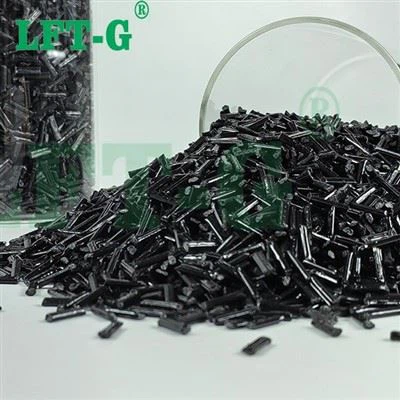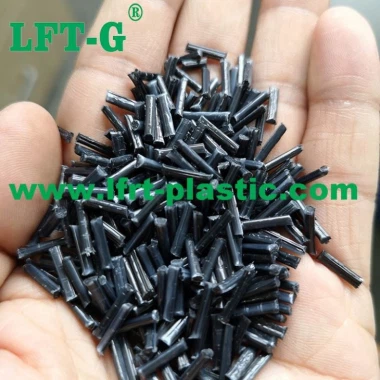


LFT-G® PA6 CF50 Long Carbon Fiber (Model: LFT-PA6-CF50-BC05B)
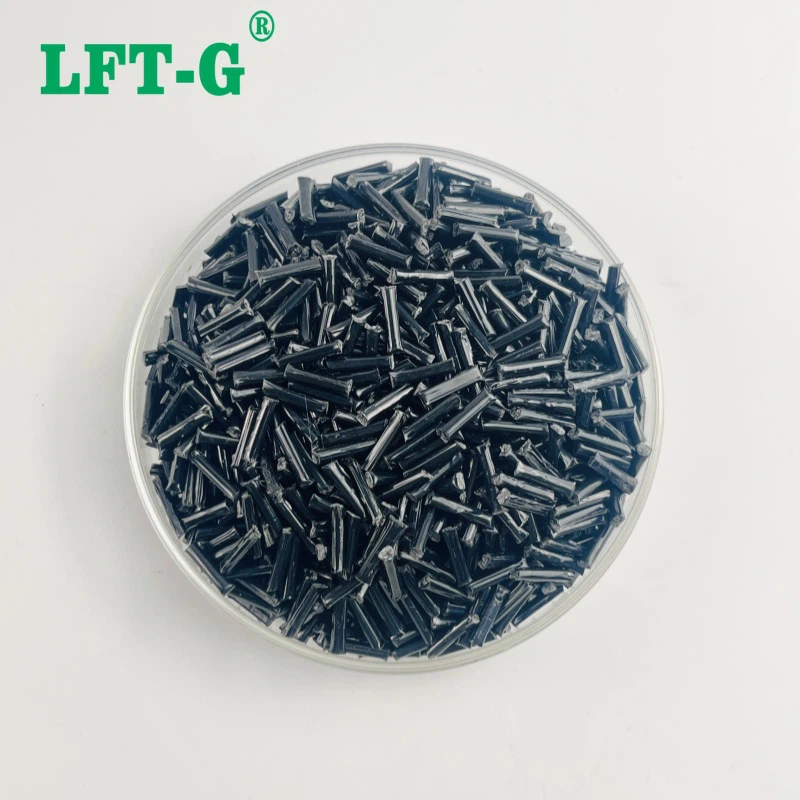
LFT-G® PA6 CF50 (Model: LFT-PA6-CF50-BC05B) is an ultra-high-performance engineering thermoplastic composite, meticulously formulated by reinforcing a Polyamide 6 (Nylon 6) matrix with a massive 50% long carbon fiber by weight. Designed specifically for the most rigorous structural and load-bearing applications in the modern industrial landscape, this advanced material represents the absolute pinnacle of polymer engineering. By implementing our proprietary pultrusion manufacturing process, we ensure that the continuous carbon fibers are fully impregnated with the melted polymer, maintaining their critical length parallel to the pellet.
Unlike standard short fiber (SCF) compounds that act merely as localized fillers, our Long Fiber Thermoplastic (LFT) technology creates a highly intertwined internal 3D skeletal network within the final injection-molded part. This structural architecture delivers transformative mechanical properties, pushing the tensile modulus and impact resistance far beyond conventional plastics. It serves as the ultimate metal-replacement solution for engineers seeking aggressive, uncompromising weight reduction. It easily replaces heavy die-cast aluminum, zinc, and magnesium alloys while completely eliminating secondary machining operations and vulnerability to galvanic corrosion.
Core Technical Advantages
- • Phenomenal tensile & flexural modulus
- • Skeletal impact energy dissipation
- • Isotropic shrinkage preventing warpage
- • Inherent EMI/RFI shielding capacity
- • Unmatched fatigue & creep resistance
- • Exceptional strength-to-weight ratio
Material Specifications
Typical Mechanical Properties: LFT-G® PA6 CF50
| Property | Standard | Typical Value | Unit |
| Tensile Strength | ISO 527 | 302 | Mpa |
| Tensile Modulus | ISO 527 | 34980 | Mpa |
| Flexural Strength | ISO 178 | 398 | MPa |
| Flexural Modulus | ISO 178 | 25500 | MPa |
| Notched Impact Strength | ISO 180 | 32 | kJ/m² |
Processing Guidelines: PA6 CF50 Injection Molding
Processing a 50% carbon-filled long fiber composite requires precision. To translate the exceptional pellet data into molded part performance, engineers must minimize fiber attrition (breakage) during the plasticating phase. We mandate the use of low-shear, general-purpose screw geometries and generous gating designs to allow the long fibers to flow unimpeded into the mold cavity. Furthermore, because Nylon 6 is highly hygroscopic, absolute desiccant drying is non-negotiable. Processing material with moisture levels above 0.1% will induce severe hydrolytic degradation, causing a catastrophic drop in mechanical strength, brittle failure points, and unacceptable cosmetic splay on the surface finish.
| Parameter | Recommended Range | Engineering Notes |
|---|---|---|
| Drying Temperature | 90 – 110 °C | Use dehumidifying desiccant dryer; strict target moisture < 0.1% |
| Drying Time | 3 – 5 hours | Crucial step for preserving molecular weight and impact strength |
| Melt Temperature | 250 – 285 °C | Maintain optimal viscosity; avoid excessive heat history |
| Mold Temperature | 80 – 120 °C | Elevated temps maximize crystallinity, strength, and surface gloss |
| Injection Speed | Low to Medium | Slow injection minimizes fiber shear and retains skeletal structure |
Critical Tooling Advisory: A 50% carbon fiber loading creates a highly abrasive melt stream. To guarantee longevity during mass production, molds must be constructed from premium hardened tool steel (HRC 55 or higher), particularly at gate locations and complex runner junctions.
High-Performance Applications for PA6 CF50

EV Powertrain & Battery Enclosures
The automotive industry's push for extended electric vehicle (EV) range demands radical lightweighting. LFT-G® PA6 CF50 is deployed directly as a metal substitute for battery trays, inverter housings, and motor mounts. It matches the torsional rigidity of cast metals, survives rigorous crash-test impact protocols via its long-fiber skeleton, and inherently shields sensitive high-voltage electronic control units (ECUs) from electromagnetic interference (EMI).

Industrial Robotics & Structural Automation
In advanced automation and smart manufacturing lines, moving mass dictates energy efficiency and operational speed. Our 50% carbon filled composite is molded into complex end-of-arm tooling (EOAT), heavy-duty transmission gears, and load-bearing actuator brackets. The incredible stiffness prevents deflection during high-speed robotic movements, while the self-lubricating properties of carbon drastically reduce abrasive wear and long-term maintenance cycles.

Tactical Equipment & High-Impact Appliance Components
For applications requiring zero margin for failure under dynamic stress, such as professional tactical gear enclosures and internal structural bracing for heavy home appliances, this material is unmatched. The intertwined fiber matrix ensures that parts will flex slightly and absorb shock under extreme drop-impact forces rather than shattering cleanly, providing a critical layer of safety and durability in harsh, demanding environments.
Frequently Asked Questions (FAQ)
• What is the difference between standard PA6 CF50 and Long Carbon Fiber (LCF) PA6?
The primary difference lies in the internal architecture. While both feature a 50% carbon filler, standard short fiber (SCF) compounds use chopped fibers (typically 1-2mm) that act as stiffening powder. Our LFT-G® long carbon fiber material utilizes fibers that run the entire length of the pellet (6-12mm). During molding, these long fibers intertwine to form a robust 3D skeletal network. This structural framework yields up to a 30% increase in tensile strength and dramatically doubles or triples the impact resistance compared to short-fiber alternatives.
• Can 50% carbon fiber nylon completely replace metal die-casting?
Yes, absolutely. PA6 CF50 is explicitly engineered for highly demanding metal replacement programs. Its extraordinary tensile modulus (stiffness) allows it to rival the structural load-bearing capabilities of aluminum, zinc, and magnesium alloys. By transitioning from die-cast metals to our injection-moldable LFT composite, engineering teams not only achieve weight reductions of up to 50% but also consolidate complex multi-part metal assemblies into a single molded piece, eliminating costly secondary machining and anti-corrosion treatments.
• How do I prevent fiber breakage when injection molding LFT-PA6-CF50?
To retain the long-fiber structural skeleton, shear stress must be aggressively minimized during processing. Molders should utilize low-shear, general-purpose screws (avoiding aggressive mixing zones or barrier screws). Additionally, maintain slower injection speeds, use larger-than-standard gate sizes, and avoid sharp 90-degree turns in the runner system. Proper desiccant drying is also mandatory to ensure optimal melt flow and prevent molecular degradation of the polyamide matrix.
Co-Engineer Your Structural Breakthrough with LFT-G®Stop compromising between extreme strength and critical weight limits. Our dedicated composite engineering team is ready to collaborate directly with your R&D department, offering material selection guidance, mold flow analysis, and robust technical support for your PA6 CF50 metal-replacement projects. Partner directly with the source manufacturer that understands polymer architecture at the molecular level. |
Hot Tags: pa6 cf50-bc05b, China, manufacturers, suppliers, factory, buy, customized