
Strategic Material Switch: Why Choose PA6 LGF30 to Replace PA66 GF30?
Unlocking cost efficiency and structural performance with Long Glass Fiber Reinforced Nylon 6.
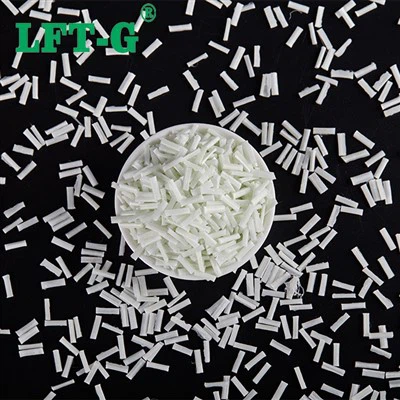
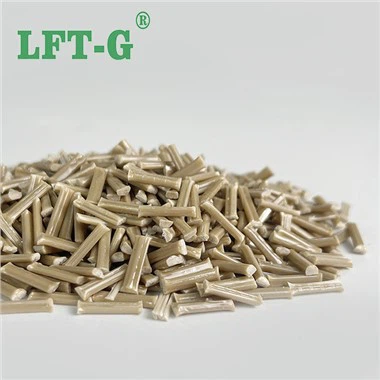
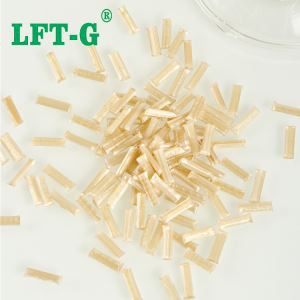
In the competitive landscape of engineering plastics, Long Glass Fiber Reinforced Nylon 6 (PA6 LGF30) has emerged as a formidable alternative to the traditional Short Glass Fiber Reinforced PA66 (PA66 GF30). With global supply chain fluctuations impacting PA66 availability and cost, manufacturers in automotive and industrial sectors are turning to LFT-G® PA6 LGF30.
The Core Difference: While both materials contain 30% glass fiber, the Long Fiber Technology (LFT) creates an internal skeletal network within the PA6 matrix. This allows PA6 to match, and often exceed, the mechanical properties of short-fiber PA66, providing a cost-effective solution without compromising performance.
4 Reasons to Switch to PA6 LGF30
1. Superior Strength & Toughness
The 10-12mm long fibers in PA6 LGF30 bridge micro-cracks and absorb energy better than the <1mm fibers in PA66 GF30. This results in significantly higher Notched Impact Strength and improved fatigue endurance under dynamic loads.
2. Dimensional Stability
Short fiber materials (PA66 GF30) are prone to anisotropic shrinkage, leading to warpage in large flat parts. The entangled network of LGF30 locks the polymer dimensions, ensuring low warpage and high precision for complex housings.
3. Cost-Effective Performance
PA6 base resin is generally more affordable and available than PA66. By reinforcing cost-effective PA6 with Long Fibers, you achieve a High Performance-to-Price Ratio, reducing raw material costs while maintaining structural integrity.
4. Excellent Surface Finish
Despite the long fibers, LFT-G's specialized impregnation technology ensures full wetting. This allows for a resin-rich surface ("floating fiber" free) suitable for visible automotive parts, often better than standard glass-filled grades.
Comparative Data Sheet: PA6 LGF30 vs PA66 GF30
| Property | Standard | PA66 GF30 (Ref) | LFT-G® PA6 LGF30 |
|---|---|---|---|
| Base Resin | - | Polyamide 66 | Polyamide 6 |
| Fiber Structure | - | Short Fiber | Long Fiber (LGF) |
| Tensile Strength | ISO 527 | ~180 MPa | 165 - 180 MPa |
| Tensile Modulus | ISO 527 | ~9.5 GPa | 10.0 - 11.0 GPa |
| Notched Impact | ISO 179 | ~15 kJ/m² | 28 - 35 kJ/m² |
| HDT (1.80 MPa) | ISO 75 | ~250°C | 215 - 220°C |
Conclusion
PA6 LGF30 is not just a substitute; it is an upgrade in durability and stability. For manufacturers dealing with harsh chemical environments or requiring high dimensional accuracy, switching from PA66 GF30 to LFT-G® PA6 LGF30 offers a clear pathway to reduced costs and enhanced product longevity.
FAQ
Q: How much cheaper is PA6 LGF30 than PA66 GF30?
A: Generally, PA6 base resin is 20-30% cheaper than PA66 due to simpler manufacturing processes and raw material availability (Caprolactam vs ADN). Using LFT-G® PA6 LGF30 captures these savings while maintaining high performance.
Q: Can PA6 LGF30 withstand the same heat as PA66 GF30?
A: Almost. PA66 melts at ~260°C, while PA6 melts at ~220°C. For applications operating below 180°C continuously (which covers most automotive parts except those directly on the engine block), PA6 LGF30 is a perfectly safe and stable substitute.
Q: Is it easy to switch molds from PA66 to PA6?
A: Yes. PA6 and PA66 have similar shrinkage rates (especially when fiber-reinforced). In most cases, LFT-G® PA6 LGF30 can be dropped into existing PA66 molds with only minor adjustments to processing temperatures (lower temp for PA6), saving tooling costs.

Switch to Cost-Effective LFT Solutions
Stop paying premium prices for PA66 when PA6 LGF30 can do the job. Contact us for a comparative quote.
About Xiamen LFT-G®
Xiamen LFT Composite Plastic Co., Ltd is a leader in Long Fiber Reinforced Thermoplastics (LFRT). With over 20 years of expertise, we engineer customized composite solutions that meet specific structural requirements. We are more than a supplier; we are your partner throughout the product life cycle.