
What's long glass fiber material?
In the world of advanced materials, long glass fiber has emerged as a game-changer. With its unique properties and versatile applications, it has become a sought-after material in various industries. But what exactly is long glass fiber material, and why is it gaining so much attention?
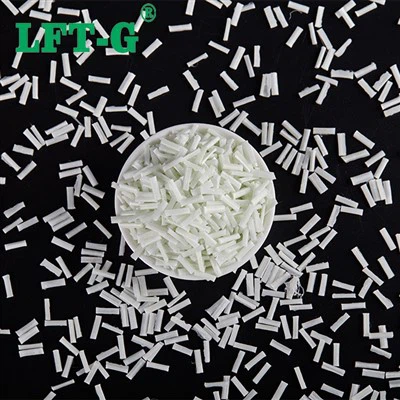
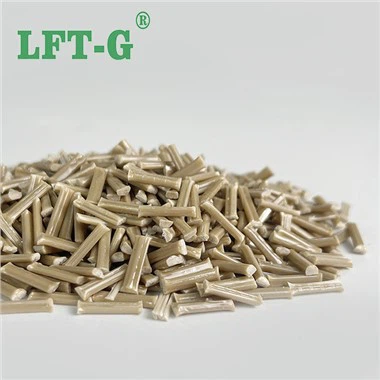
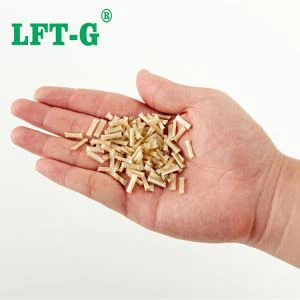
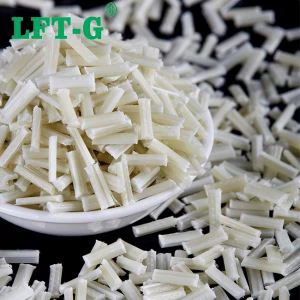
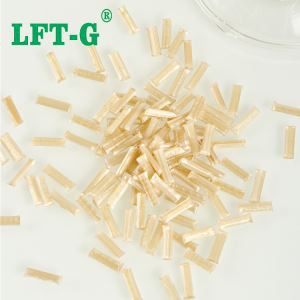
Long glass fiber is a type of composite material that consists of glass fibers embedded in a thermoplastic matrix. Unlike short glass fibers, which are typically less than an inch in length, long glass fibers can range from one to several inches. This extended length provides enhanced mechanical properties and superior performance compared to their shorter counterparts.
The benefits of long glass fiber material
One of the key advantages of long glass fiber material is its exceptional strength and stiffness. The long fibers distribute stress more effectively, resulting in improved impact resistance and load-bearing capacity. This makes it an ideal choice for applications that require high structural integrity, such as automotive parts, sporting goods, and industrial components.

Moreover, long glass fiber composites exhibit excellent dimensional stability. The fibers act as reinforcement, preventing the material from warping or deforming under various environmental conditions. This stability is crucial in applications where precision and consistency are essential, such as electronic enclosures and consumer appliances.
Another notable characteristic of long glass fiber material is its exceptional fatigue resistance. The long fibers absorb and distribute energy more efficiently, reducing the risk of fatigue failure over time. This makes it highly suitable for products subjected to repetitive loading or cyclic stress, such as automotive components and machinery parts.
Furthermore, long glass fiber composites offer excellent resistance to chemicals, moisture, and UV radiation. This inherent durability makes them suitable for outdoor applications, where exposure to harsh weather conditions is a concern. Additionally, the material's resistance to corrosion and degradation ensures a longer lifespan for the end products.
The versatility of long glass fiber material extends beyond its mechanical and chemical properties. It can be easily processed using various manufacturing techniques, including injection molding and extrusion. This flexibility allows designers and engineers to create complex shapes and intricate designs without compromising the material's performance.
The applications of long glass fiber material
The automotive industry has been one of the primary adopters of long glass fiber composites. From structural components like bumpers and door panels to under-the-hood parts like engine covers and air intake manifolds, long glass fiber material has revolutionized the way vehicles are built. Its lightweight nature also contributes to improved fuel efficiency and reduced emissions.

In addition to automotive applications, long glass fiber composites have found their way into a wide range of industries. In the sports and recreation sector, they are used to manufacturing high-performance equipment such as skis, snowboards, and bicycles. The electrical and electronics industry also benefits from the material's electrical insulation properties, making it suitable for enclosures and housings.
Long glass fiber material is a remarkable innovation that offers exceptional strength, dimensional stability, fatigue resistance, and durability. Its versatility and ease of processing make it an attractive choice for a wide range of industries. As technology continues to advance, we can expect to see even more groundbreaking applications for this extraordinary material.