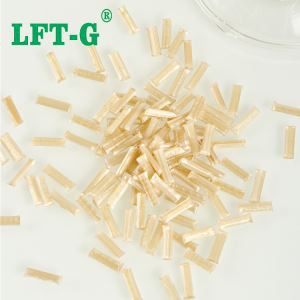

PP plastic materials:
performance:
Thermal properties: Among the five general-purpose plastics, the heat resistance of PP is the best. PP plastic products can work at 100 ° C for a long time, and when there is no external force, the PP products will not be deformed when heated to 150 ° C. After the use of a nucleating agent to improve the crystalline state of PP, the heat resistance can be further improved, and it can even be used to make a vessel for heating food in a microwave oven.
Stress crack resistance: Stress is left in the molded product, or the product works under continuous stress for a long time, which may cause stress cracking. Organic solvents and surfactants can significantly promote stress cracking. Therefore, the stress cracking test is carried out in the presence of a surfactant. A commonly used auxiliary is an alkyl aryl polyethylene glycol. Tests have shown that PP has good resistance to stress cracking when immersed in surfactant, and has good resistance in air, and the smaller the melt flow rate of PP (the larger the molecular weight), the stronger the stress crack resistance.
Density: PP is the smallest of all synthetic resins, only 0.90~0.91g/cm3, which is about 60% of PVC density. This means that a larger number of products of the same volume can be produced with the same weight of raw materials.
Mechanical properties: PP has better tensile strength and rigidity, but the impact strength is poor, especially at low temperatures. In addition, if there is orientation or stress during molding of the article, the impact strength is also significantly reduced. Although the impact strength is poor, its mechanical properties can compete with higher cost engineering plastics in many fields after modification by filling or reinforcement.
Aging performance: There are tertiary carbon atoms in the PP molecule, which are easily broken and degraded under the action of light and heat. PP without stabilizer is heated at 150 ° C for more than half an hour, or it is obviously brittle when exposed to sunlight for 12 days. The PP powder without stabilizer will be seriously degraded after being stored in the room for 4 months, and it will emit obvious acidity. Adding 0.2% or more of antioxidant before PP powder granulation can effectively prevent degradation and aging of PP during processing and use. Antioxidants are divided into two categories: free radical chain reaction terminator (also known as primary antioxidant) and peroxide decomposing agent (also called auxiliary antioxidant). The reasonable combination of primary and secondary antioxidants will be Will play a good synergy effect. The currently recommended B215 antioxidant is a combination of primary antioxidant 1010 (phenolic) and secondary antioxidant 168 (phosphite) in a ratio of 1:2. In order to prevent photoaging, it is necessary to add an ultraviolet absorber to the PP, which converts the ultraviolet absorption of the wavelength of 290 to 400 nm into a non-destructive longer wavelength light. For PP plastic products buried in the soil or used indoors in the dark, only the main and auxiliary antioxidants can be added, and no ultraviolet absorber is added.