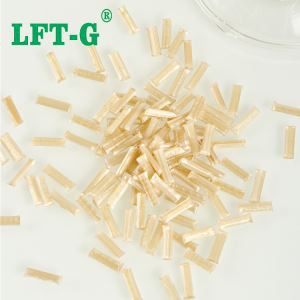

The Urgency of Light weighting in New Energy Vehicles
In the era of rapidly developing new energy vehicles (NEVs), driving range and energy efficiency have become the core indicators most concerned by consumers. To break free from the weight constraints of traditional automobiles and enhance the performance of NEVs, lightweight design has become an industry consensus. Among various light weighting technologies, Long Fiber Thermoplastics (LFTs), with their superior performance advantages, are playing an increasingly important role in the NEV sector. This article will delve into the applications of LFT materials in new energy vehicles, with a particular focus on the innovative application of our company's high-performance LFT-G® CPP 50%LGF Heat-Resistant Grade Material (Model: LFT-G®-CPP-NG05) in battery pack trays.
LFT-G® Materials: The Ideal Choice for Light weighting
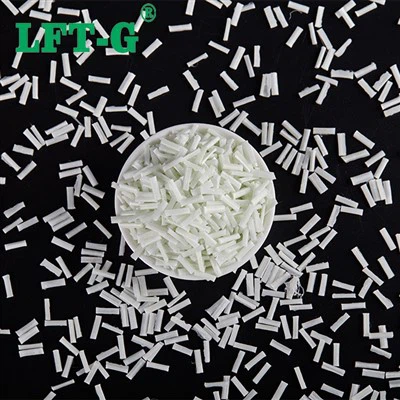
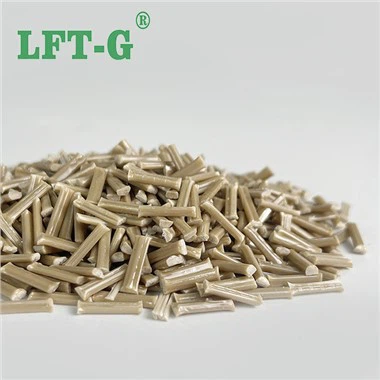
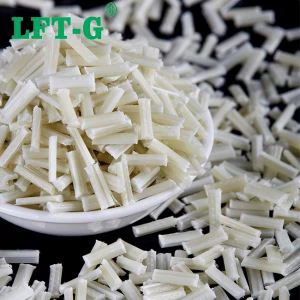
Long Fiber Thermoplastics (LFT) are composite materials formed by impregnating continuous long fibers (usually glass fibers or carbon fibers) into a thermoplastic resin matrix. Compared to traditional metal materials and short fiber reinforced plastics, LFT materials offer the following significant advantages:
- Higher Strength-to-Weight Ratio: The incorporation of long fibers greatly enhances the strength and stiffness of the material, enabling it to withstand greater loads with the same or even less weight.
- Excellent Impact Resistance: The interwoven network structure of long fibers effectively absorbs and disperses impact energy, improving the safety of components.
- Good Corrosion Resistance: Compared to metal materials, LFT materials have stronger corrosion resistance, allowing them to adapt to the complex operating environment of automobiles.
- High Design Freedom: LFT-G® materials can be injection molded into complex geometric shapes, enabling the integrated design of components, reducing the number of parts, and further lowering weight and assembly costs.

LFT-G®-CPP-NG05: The Ideal Material for Battery Pack Trays
As the core component of new energy vehicles, the safety and reliability of the battery pack are paramount. The battery pack tray, as a crucial structural part that carries and protects the battery modules, has extremely high requirements for material strength, stiffness, and heat resistance. Our LFT-G® CPP 50%LGF Heat-Resistant Material (Model: LFT-G®-CPP-NG05) is a high-performance material specially developed to meet these stringent demands.LFT-G®CPP-NG05 boasts outstanding heat resistance, capable of continuous operation at a high temperature of 150°C for over 1000 hours. This far surpasses ordinary thermoplastics and is crucial for ensuring the stability and lifespan of the battery pack under various extreme operating conditions.
- High Strength, Ensuring Battery Safety: LFT-G®-CPP-NG05 contains up to 50% long glass fibers, giving it excellent mechanical strength. This effectively protects the battery modules from external impacts and crushing, ensuring the safe operation of the battery system.
- Excellent Heat Resistance: Batteries in new energy vehicles generate a significant amount of heat during charging and discharging, especially under high load conditions, which places extremely high demands on the heat resistance of the battery pack tray.
- Lightweight Design, Enhancing Driving Range: Compared to traditional metal trays, battery pack trays manufactured using LFT-G®-CPP-NG05 can significantly reduce weight. According to our tests and customer feedback, weight reduction can reach 20%-30%, effectively increasing the overall driving range of the vehicle.
Data Comparison: Performance Comparison of Battery Pack Tray Materials
| Material Type |
Density (g/cm³) |
Tensile Strength (MPa) |
Flexural Strength (MPa) |
Heat Resistance (°C / Hours) |
Cost /Per |
|---|---|---|---|---|---|
| Steel (Q235) | 7.85 | 370-500 | 600-750 | - | Medium |
| Aluminum Alloy (6061) | 2.70 | 240-310 | 260-330 | ~180 | Higher |
| Short Fiber PP (PP+GF30%) | 1.25 | 80-100 | 110-130 | ~120 / Short Term | Medium |
| LFT-G®-CPP-NG05 | 1.32 | 130-150 | 200-230 | 150 / 1000+ |
Medium & Effective |
Applications of LFT-G® Materials in Other Key Components of New Energy Vehicles
In addition to battery pack trays, LFT materials also exhibit significant light weighting potential in other key components of new energy vehicles:
- Front-End Modules: Using LFT materials for front-end modules can reduce weight by 15%-20%, while improving component integration and design aesthetics compared to traditional metal or short fiber reinforced plastics.
- Bumper Beams: Bumper beams are a crucial part of vehicle passive safety. LFT materials, with their high strength and excellent impact resistance, can achieve a weight reduction of over 25% while ensuring collision energy absorption and lowering production costs.
- Seat Frames: Traditional seat frames often use metal stamping and welding processes, resulting in higher weight and complex production. Using LFT materials for one-piece molded seat frames can reduce weight by 10%-15% and simplify the production process, improving efficiency.
- Door Modules: Integrating multiple components such as door inner panels and window frames into an LFT door module can significantly reduce the overall weight of the door and reduce assembly steps, with an expected weight reduction of over 10%.

Examples of LFT-G® Material Applications in Car Front-End Modules Plastic Part Components
Multiple Benefits of Light weighting
The adoption of LFT materials for light weighting in new energy vehicles brings not only a reduction in vehicle weight but also multiple benefits:
- Significant Increase in Driving Range: According to industry data, every 10% reduction in vehicle weight can increase the driving range by 6%-8%. Lightweight design using LFT materials can significantly improve the driving range of NEVs, alleviating range anxiety for users.
- Lower Energy Consumption, Reduced Usage Costs: A lighter vehicle body requires less energy for propulsion, reducing charging frequency and lowering user operating costs.
- Improved Acceleration Performance and Handling: A lighter vehicle body results in quicker acceleration and more agile handling, enhancing the driving experience.
- Environmental Contribution: Improved energy efficiency means less energy consumption, indirectly reducing carbon emissions and contributing to environmental protection.
In the pursuit of higher performance and longer driving range for new energy vehicles, light weighting has become an irreversible trend. Our LFT-G® CPP 50%LGF Heat-Resistant Grade Material (Model: LFT-G®-CPP-NG05), with its excellent comprehensive performance, especially its outstanding performance in battery pack trays, provides strong support for the light weighting of new energy vehicles. In the future, with the continuous advancement and innovative application of LFT material technology, we have every reason to believe that LFT-G® materials will play an even more important role in the NEV sector, helping the automotive industry move towards a lighter, longer-range, and more environmentally friendly future.