
With the continuous development of new plastic materials, plastics continue to expand in the field of automotive applications:
Plastic parts with light mirror and plastic glass
The headlamp lens made of special polycarbonate produced by American GE Company is coated with anti-scratch coating, which is brighter than glass lens, more resistant to breakage and more optical processing accuracy.
In the United States, a 20 μm thick polyurethane film is attached to the three-layer safety glass of the windshield. Most passenger cars in the United States use acrylic plates, and plasticity of windshield glass can save energy and protect the safety of occupants.
Long fiber reinforced thermoplastics
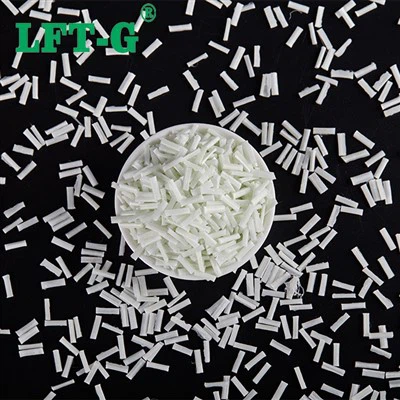
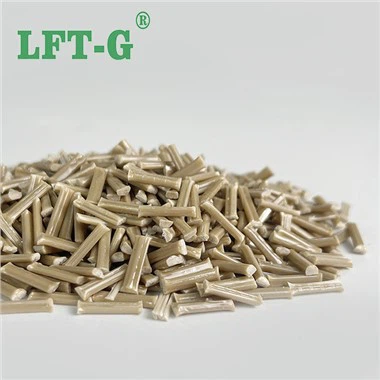
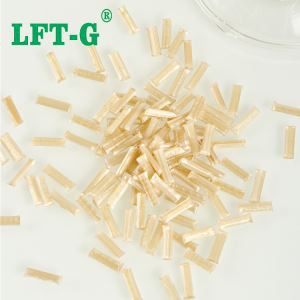
Long Fiber Reinforced Thermoplastic (LFRT) is a new lightweight, high-strength engineering structural material that is rapidly evolving in automotive applications due to its light weight, low cost, and ease of recycling.
The manufacture of body parts from natural fibers such as linen and sisal reinforced plastics has been recognized in the automotive industry. The underlay is made of linen reinforced polypropylene. The tensile strength of the material is higher than that of steel, the rigidity is not lower than that of glass fiber reinforced materials, and the parts are easier to recycle. For operators, rash and respiratory diseases caused by fiberglass can be eliminated. Some enterprises in Jiangyin of China have begun to produce such materials.