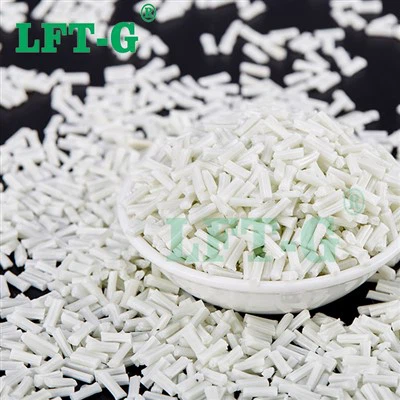
Standard PP GF40 is an excellent structural material, but it is an electrical insulator. In environments with electronics, fuel vapors, or combustible dust, static charge buildup on standard plastics can lead to catastrophic sparks or damage. LFT-G® PP-LGF40AS is the engineered solution for these safety-critical applications.
This grade (Model: LGF40AS) infuses a high-strength 40% long glass fiber skeleton with specialized conductive additives within a Copolymer PP matrix. It retains the mechanical robustness of a structural composite while providing permanent Anti-Static (AS) or Electrostatic Dissipative (ESD) properties, ensuring charges are safely grounded.
√ Permanent ESD Protection: Unlike topical coatings that wear off, the conductive network is integral to the material, providing lifetime protection against static discharge (Surface Resistivity: 10^4 - 10^9 Ω).
√ High Structural Strength: Maintains the high stiffness and impact resistance of 40% LGF, allowing it to serve as a structural housing for heavy industrial equipment.
√ Dust & Explosion Safety: Prevents dust attraction (aesthetic issue) and spark generation (safety issue) in mining, chemical, and automotive fuel environments.
Where LFT-G® PP-LGF40AS Fits: The Conductivity Spectrum
Standard plastics insulate. Metals conduct. Our LGF40AS grade sits in the critical "Dissipative" zone, balancing safety with functionality.
The following values are typical data for LFT-G® PP-LGF40AS (Anti-Static) and are for reference only. Please contact us for the official Technical Data Sheet (TDS).
The following values are recommendations. We recommend desiccant / dry air dryers (moisture content below 0.1%).
To minimize fiber breakage and ensure optimal performance, a low-compression, general-purpose screw is highly recommended.
Parameter
Recommendation
Drying Temperature
80 - 100 °C
Drying Time
2 - 4 hours
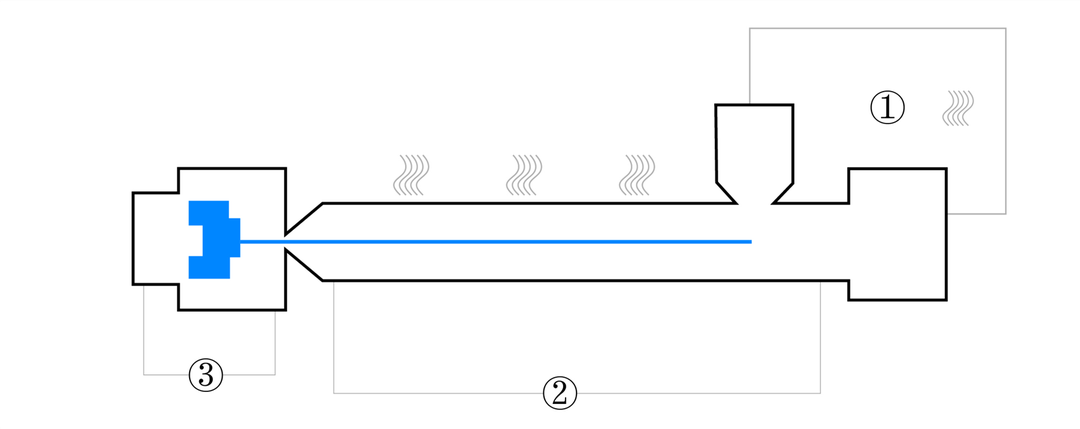
Melt Temperature (Nozzle ③)
220 - 260 °C
Mold Temperature (Zone ②)
40 - 80 °C
Back Pressure
Low (to minimize fiber damage)
Case Study: Explosion-Proof Fan Housing
The Hazard: Static Sparks
A ventilation system manufacturer for coal mines faced a critical safety issue. Their standard **PP GF40** fan housings were accumulating static electricity from high-speed airflow. In a dust-filled mine, a single static spark could cause an explosion.
The Solution: LFT PP-LGF40AS
They switched to **LFT-G® PP-LGF40AS**. The material's integrated conductive network provided a path for static to dissipate safely to the ground. Simultaneously, the 40% long fiber structure maintained the high burst strength needed for the fan casing.
Outcome:Achieved ATEX Safety Certification. Eliminated spark risks while reducing weight by 40% compared to the alternative (steel housings).
Applications for Anti-Static LFT-PP
ESD Conveyor Rollers
Used in electronics manufacturing. Prevents static buildup from damaging sensitive circuit boards on the line, while offering the wear resistance of long glass fibers.
Fuel System Components
Safety-critical. LFT PP LGF40AS dissipates static charge generated by flowing fuel, preventing sparks at the filler neck or pump module, meeting automotive safety standards (SAE J1645).
Dust Extraction Housings
For sawmills or flour mills. Prevents fine dust from clinging to the housing (clogging) and eliminates the risk of static discharge igniting the dust cloud.
People Also Ask (Google PAA)
1. Is glass filled polypropylene conductive?
A: Typically, no. Standard glass-filled PP is an electrical insulator. To make it conductive, special additives (like carbon black, carbon fiber, or conductive polymers) must be added during compounding. LFT-G® PP-LGF40AS is a special grade that combines glass fiber for strength with these additives to achieve permanent static dissipation.
2. What is the difference between anti-static and conductive plastic?
A: It's about the speed of charge decay. **Anti-static** materials (10^9 to 10^12 Ω) prevent initial charge buildup. **Static Dissipative** materials (like our LGF40AS, 10^6 to 10^9 Ω) allow charges to flow to ground safely and slowly. **Conductive** materials (<10^5 Ω) allow rapid flow, which can sometimes spark if not managed. Our grade is optimized for safe dissipation.
3. Can PP GF40 be used for fuel lines?
A: Standard **PP GF40** cannot be used safely for fuel lines because the flow of fuel generates static electricity, which can arc and cause a fire on an insulating plastic. LFT-G® **PP-LGF40AS** is specifically designed for this; it dissipates the static charge, making it safe for fuel filler necks, pumps, and filter housings.
Ready to Upgrade Your Safety?
Combine structural power with ESD safety using LFT-G® PP-LGF40AS. Contact our material specialists today to discuss your project or request a sample.



 Standard PP GF40 is an excellent structural material, but it is an electrical insulator. In environments with electronics, fuel vapors, or combustible dust, static charge buildup on standard plastics can lead to catastrophic sparks or damage. LFT-G® PP-LGF40AS is the engineered solution for these safety-critical applications.