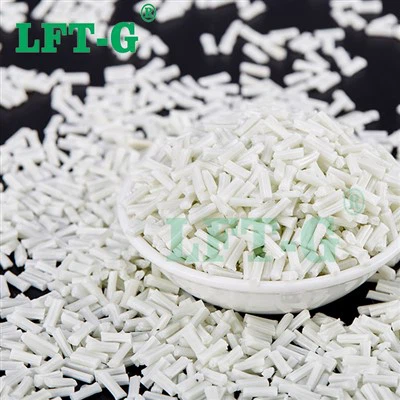
PPLGF20 FR a 20% Long Glass Fiber network with a robust, halogen-free Flame Retardant (FR) system within a tough Copolymer PP matrix.
√Good low creep
√ 94V0-Flame resistance
√ Excellent Stiffness & Toughness Balance
LFT-G® PP LGF20-FR | The Fire-Safe Upgrade for PP GF20
LFT-G® 20% Long glass fiber PP (Copo) - Flame Resistant
Standard PP GF20 is a widely used structural material, but it poses a significant safety risk in electrical applications: it is highly flammable. LFT-G® PP-LGF20FR (Model: NG02FR) is the essential safety upgrade. It transforms the flammable nature of polypropylene into a self-extinguishing engineering composite.
This grade combines a 20% Long Glass Fiber network with a robust, halogen-free Flame Retardant (FR) system within a tough Copolymer PP matrix. It is engineered to meet strict safety standards (like UL94 V-0) without sacrificing the impact resistance needed for durable housings and enclosures. It effectively replaces expensive FR-ABS or FR-PC/ABS in cost-sensitive applications.
√ UL94 V-0 Certified Performance: Rapidly self-extinguishes and prevents dripping of flaming particles, crucial for preventing fire spread in electrical devices.
√ Retained Toughness: Unlike many FR materials that become brittle, our Copolymer base and long fibers ensure the part remains ductile and impact-resistant.
√ Low Smoke & Toxicity: The halogen-free formulation ensures that in the event of extreme heat, the material does not release dense, toxic smoke, making it safer for public spaces.
The Burn Test: Standard vs. LFT-FR
In a vertical burn test (UL94), the difference is between a contained incident and a total loss.
Standard PP GF20
🔥
FAIL (HB Rating)
Continues to burn after flame removal.
Drips flaming plastic.
High fire spread risk.
LFT-G® PP LGF20-FR
🛡️
PASS (V-0 Rating)
Self-extinguishes in < 10 seconds.
No flaming drips.
Fire contained.
Typical Material Properties (FR Grade)
The following values are typical data for LFT-G® PP-LGF20FR (Flame Retardant Copolymer) and are for reference only. Please contact us for the official Technical Data Sheet (TDS).
The following values are recommendations. We recommend desiccant / dry air dryers (moisture content below 0.1%).
To minimize fiber breakage and ensure optimal performance, a low-compression, general-purpose screw is highly recommended.
Parameter
Recommendation
Drying Temperature
80 - 100 °C
Drying Time
2 - 4 hours
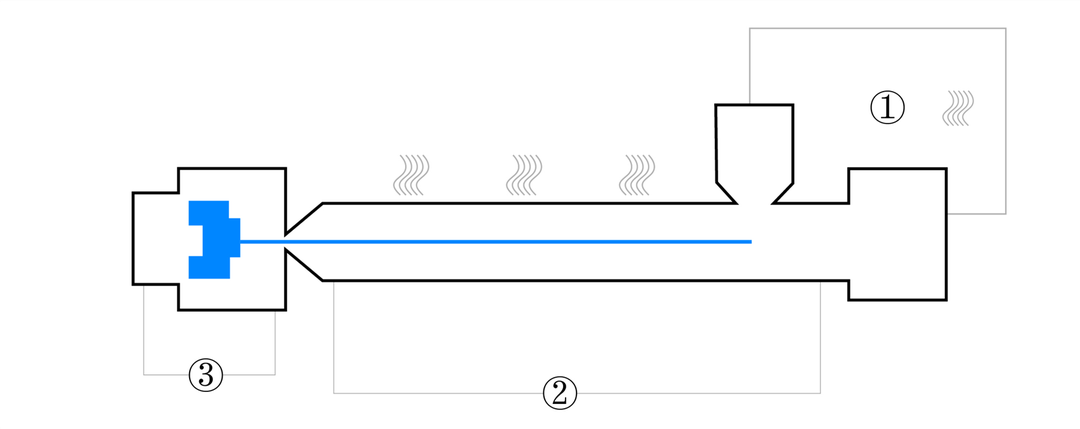
Melt Temperature (Nozzle ③)
190 - 230 °C
Mold Temperature (Zone ②)
40 - 70 °C
Back Pressure
Low (to minimize fiber damage)
Case Study: HVAC Control Box Housing
A manufacturer of industrial heating systems needed a housing for their electrical control unit. The part sits near heating elements and must withstand potential electrical shorts without catching fire.
The Compliance Check
✔
Flammability Requirement: Passed UL94 V-0. Self-extinguished in 4 seconds.
✔
Impact Durability: Passed drop tests at -20°C thanks to Copolymer toughness.
✔
Cost Target: Replaced expensive FR-PC/ABS, saving 25% in material costs.
Applications for Safety Zones
FIRE RISK
Electrical Junction Boxes
The V-0 rating is non-negotiable here. LFT PP LGF20FR prevents fire spread from short circuits, while being lighter and easier to mold than metal enclosures.
PUBLIC SAFETY
Public Transport Seating
Bus and train components must meet strict smoke and flammability standards. This material offers the structural strength for seat frames with the required fire safety certification.
HOME SAFETY
Heater Fan Housings
For space heaters or appliances. The material resists deformation from heat (LGF) and will not catch fire if the motor overheats (FR), ensuring consumer safety.
People Also Ask
1. Is glass filled polypropylene flammable?
A: Yes, standard glass-filled polypropylene (like **PP GF20**) is flammable and typically has a UL94 HB (Horizontal Burn) rating, meaning it burns slowly. To be safe for electrical use, it must be modified with flame retardants to achieve a **V-0** rating, which is exactly what our LFT-G® PP-LGF20FR grade offers.
2. What is the difference between UL94 HB and V0?
A: The difference is **self-extinguishing** capability. An **HB** material will continue to burn after the flame source is removed. A **V-0** material (like LGF20FR) must stop burning within 10 seconds on a vertical specimen and cannot drip flaming particles. V-0 is mandatory for many electronic and appliance standards.
3. Do flame retardants reduce the strength of plastic?
A: Generally, yes, adding flame retardants can lower impact strength and tensile properties compared to non-FR grades. However, LFT-G® compensates for this by using **Long Glass Fibers**. The fiber skeleton restores the structural integrity, ensuring LGF20FR remains much stronger and tougher than short-fiber FR materials.
Ready to Upgrade Your Safety?
Protect your products from fire risks without sacrificing strength using LFT-G® PP-LGF20FR. Contact our material specialists today to discuss your project or request a sample.



 Standard PP GF20 is a widely used structural material, but it poses a significant safety risk in electrical applications: it is highly flammable. LFT-G® PP-LGF20FR (Model: NG02FR) is the essential safety upgrade. It transforms the flammable nature of polypropylene into a self-extinguishing engineering composite.