
LFT PP LGF20-NG02H: The Structural Upgrade for PP GF20 Designs
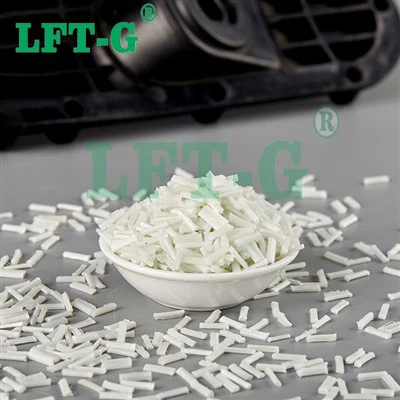
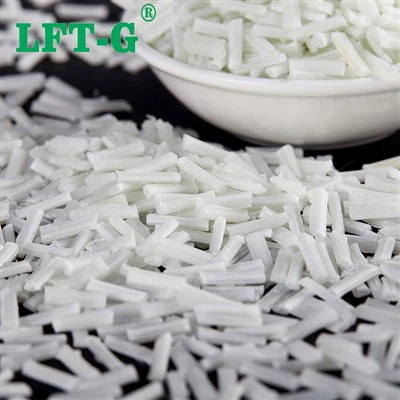
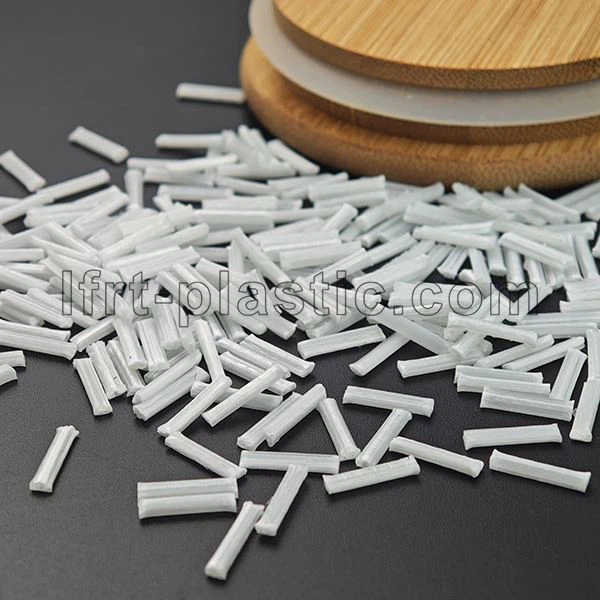
Engineers often select a standard "PP GF20" for general-purpose applications needing a step up from unfilled plastics. But for true structural components, short fibers fall short. LFT-G® PP LGF20-NG02H is the logical next step. It is a high-performance composite that redefines the 20% glass-filled category by using long glass fibers in a stiff homopolymer polypropylene (Homo PP) matrix.
While a short-fiber PP GF20 provides basic rigidity, its disconnected fibers do little to resist long-term creep under load. LFT-G® PP LGF20-NG02H solves this by creating a continuous internal fiber skeleton. This structure provides vastly superior dimensional stability and load-bearing capability over time. It offers an excellent balance of stiffness, low weight, and processability, making it the ideal cost-effective choice for lightweight structural parts like automotive dashboard components and durable furniture frames.
It is the intelligent choice for transforming semi-functional parts into truly reliable, lightweight structural components.
Scaling Up Performance from PP GF20
Moving from unfilled plastic to LFT is a significant leap in engineering value. Here's how LFT-G® PP LGF20 compares to its predecessors on key B2B metrics.
Technical Data Sheet: LFT-G® PP LGF20-NG02H
Typical values for our lightweight structural homopolymer grade. Data is for reference only.
| Property | Test Method | Units | Typical Value |
|---|---|---|---|
| Long Glass Fiber Content | ASTM D5630 | % by weight | 20 |
| Density | ASTM D792 | g/cm³ | 1.05 |
| Tensile Strength | ASTM D638 | MPa | 103 |
| Flexural Modulus | ASTM D790 | GPa | 4.5 |
| Notched Izod Impact Strength (@23°C) | ASTM D256 | kJ/m² | 31 |
| Heat Deflection Temperature (@1.82 MPa) | ASTM D648 | °C | 156 |
Case Study: Professional Drone Structural Chassis

Challenge
A manufacturer of high-end cinematography drones needed a material for their new flagship model's main chassis. The material had to be extremely lightweight to maximize flight time, yet incredibly stiff to prevent motor vibrations from creating "jello" artifacts in the video footage. The design was complex, requiring part consolidation and precise mounting points for sensitive electronics.
Solution
LFT-G® PP LGF20-NG02H was selected for its exceptional stiffness-to-weight ratio. The long fiber skeleton provided the rigidity needed to create a stable aerial platform, effectively damping vibrations. The Homo PP base offered excellent chemical resistance to cleaning agents and battery fluids. Its good flow properties allowed the complex, single-piece chassis design to be realized, replacing a heavier multi-part carbon fiber and aluminum assembly.
Result
The LFT chassis was 30% lighter than the previous assembly, increasing average flight time by 4 minutes-a major selling point. The enhanced stiffness completely eliminated vibration-related video issues, leading to crystal-clear footage. The switch to a single-shot molding process also cut manufacturing costs by 40% per unit.
Building Stronger, Lighter Components

Smart Water Meter Housings
Replaces brass and other expensive metals. The Homo PP base provides excellent hydrolytic stability, while the LFT structure ensures the part remains dimensionally stable over decades to prevent leaks.

Automotive HVAC Unit Cases
A perfect fit for large, complex parts that need to be rigid enough to prevent rattles and squeaks, while also being lightweight and resistant to temperature fluctuations and moisture.

Designer Furniture Frames
Enables complex, ergonomic designs that would be too heavy or expensive in metal. The material provides the structural integrity to support weight while offering a high-quality, moldable finish.
Key Questions Answered
1. Why is LFT PP LGF20 a better choice than a standard PP GF20?
A: The key is long-term reliability. While both materials have a 20% glass fiber content, the long fibers in LFT-G® create a skeletal structure. This structure makes our material vastly superior in creep resistance (it won't sag under load) and fatigue life (it can withstand more cycles of stress). For any part that serves a structural purpose, LFT is the superior engineering choice.
2. What is the difference between this Homopolymer (H) grade and the Copolymer (C) grade?
A: This Homopolymer (NG02H) grade is optimized for stiffness and thermal resistance. The Copolymer (NG02C) grade is optimized for maximum toughness and impact strength, especially at low temperatures. If your part needs to be as rigid as possible and resist heat, choose this 'H' grade. If it needs to survive drops and impacts, choose the 'C' grade.
3. Is this material a good candidate for replacing die-cast aluminum?
A: For lightweight, moderately-loaded structural components, yes. LFT-G® PP LGF20-NG02H offers a significant weight reduction (over 50% lighter) and parts consolidation benefits compared to die-cast aluminum. It is a cost-effective alternative for brackets, housings, and frames where the extreme stiffness of a higher-fill LFT or metal is not required.
Ready to Engineer the Next Breakthrough?
Elevate your product's performance with the proven strength and versatility of LFT-G® PP LGF20. Contact our material specialists today to discuss your project or request a material sample.
Hot Tags: PP LGF20-H: Structural Upgrade for PP GF20, China, manufacturers, suppliers, factory, buy, customized