


Long Glass Fiber HDPE Compound Resin
In the grand narrative of contemporary engineering materials, long glass fiber reinforced high-density polyethylene (LGF-HDPE) composite is not merely a simple "strengthened plastic"; it is rather a physical manifestation of a design concept, and is the wisdom product of engineers seeking the optimal solution in multiple dimensions such as performance, cost, and sustainability. To truly understand LGF HDPE material, we must delve into its core, examine its essence, rather than merely listing its external performance parameters.
A "GF HDPE compound" is Glass Fiber Reinforced High-Density Polyethylene, a plastic composite that uses glass fibers to enhance the mechanical properties of High-Density Polyethylene (HDPE). This reinforced material offers increased strength, durability, and rigidity, making it suitable for various industrial applications, including automotive components, robust piping systems, marine parts, and 3D-printed parts that require enhanced resilience. The professionalism of LGF HDPE composite is not only reflected in the material itself, but also in its profound understanding and precise control of the processing technology window. Its success is a prime example of the synergy between material science and manufacturing engineering.
LGF HDPE: The Advantages of the Choice
Why did we choose HDPE pellet as the base material? It is an adaptor to a specific environment. This material has demonstrated certain advantages and characteristics in certain aspects, which are superior to those of other materials. This reflects a precise material selection strategy.

Chemical resistance and moisture resistance: HDPE exhibits extremely excellent properties in resisting acids, alkalis, and various chemical solvents, and it hardly absorbs water. This makes LGF HDPE perform much more stably in humid and corrosive environments (such as car chassis guards, chemical pump valves) compared to LGF PA plastic pellet, whose performance would significantly deteriorate after absorbing water.
Low-temperature toughness: HDPE exhibits magnificent low-temperature toughness, maintaining good impact resistance even at extremely low temperatures. This makes it highly favored for applications in cold regions.
The balance point between cost and performance: Compared to high-performance engineering plastics (such as PA66), HDPE pellet has a significant cost advantage, making LGF HDPE composite an extremely cost-effective solution when meeting medium to high performance requirements.
What is GF HDPE Used For?

Automotive Industry
Chassis and lower body components: Engine underguard/Chassis guard, Front frame/Module
Battery system components: Battery housing/tray for electric vehicles
Interior and exterior trim and other components: Dashboard frame, Seat structure components (Seat back frame and base), Door module
Industry and mechanical manufacturing
Fluid processing: Pump valve components (pump casing, impeller, valve body, etc.), large chemical storage tanks and containers, pipe fittings
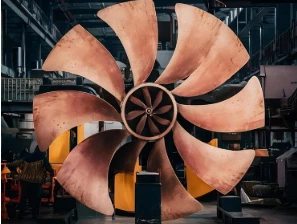
Mechanical equipment: Fan blades and housings, conveyor belt components and gears, industrial enclosures and protective covers
Architecture and Infrastructure
Geotechnical Materials: Geog rids/Cellular Structures (used for soil stabilization, road embankment reinforcement, and slope protection)
Water Systems: Inspection wells, manhole covers, large water pipes, and drainage system components
Consumer goods and leisure sports
Electric tools: Tool casings
Sports equipment: Canoe, boat hulls, ski boards and sled components
Furniture and household appliances: Heavy-duty office chair bases and armrests, internal support structures of washing machines or dryers
Deep Understanding of LGF HDPE Material
The LGF HDPE material is far from being a static, data-table-defined material. It is a dynamic and multi-level system.
At the micro level, it is an intelligent structure that achieves a leap in mechanical performance by constructing an internal three-dimensional fiber framework.
At the manufacturing level, it is the result of a deep coupling of precise manufacturing techniques and material science, and the process of realizing its performance is itself an example of engineering art.
At the life cycle level, it is a typical representative of the advantages and challenges of thermoplastic composites under the concept of circular economy, driving us to think deeply about sustainability.
At the design philosophy level, it is an enabling tool that inspires engineers to create innovative products that are more efficient, more economical, and more adaptable to specific needs through functional integration and system optimization.
To understand LGF HDPE plastic pellet, one needs to go beyond its superficial performance parameters and appreciate the exquisite internal structure, the meticulous manufacturing process, the potential for a circular lifecycle, and the profound wisdom of its role as an engineering solution. The LGF HDPE material can play a role in numerous fields and is an extremely excellent material.
FAQ
Q: Why did you choose HDPE pellet as the matrix?
A: Mainly based on three distinct advantages: outstanding chemical resistance, exceptional low-temperature toughness, and good resistance to environmental stress cracking.
Q: Where are the core differences in application between LGF HDPE and LGF PA material?
A: LGF HDPE polymer mainly targets the field of structural components with high requirements for chemical resistance, moisture resistance and cost; while LGF PA compound resin focuses on scenarios with even stricter demands for high temperature resistance, ultimate strength and wear resistance.
Q: Can LGF HDPE materials be effectively recycled? What are the main challenges?
A: It can be recycled, which is one of the core advantages of it as a thermoplastic composite material. The main challenge lies in the degradation of performance, that is, the mechanical shear during the recycling and reprocessing process will cause the fiber length to shorten, thereby reducing the mechanical properties of the material.
The value of LGF-HDPE lies in that it provides engineers with the ability to simultaneously address multiple complex engineering issues such as structural support, chemical protection, light weighting, cost control, and functional integration on a single material platform.
Hot Tags: glass fiber hdpe compound, China, manufacturers, suppliers, factory, buy, customized


