LFT-G® PA66 CF50 Ultra-High Modulus Long Carbon Fiber Nylon 66 Compound

LFT-G® PA66 CF50 Ultra-High Modulus Long Carbon Fiber Nylon 66 Compound

Details
LFT-G® PA66 LCF50-BC05A is an ultra-structural 50% continuous long carbon fiber reinforced polyamide 66 engineering composite, pultrusion-synthesized to provide metal-replacement modulus metrics and absolute dimensional retention under high thermal-mechanical stress fields.
√Extreme 33,000 MPa Stiffness Modulus
√Superior 252°C Heat Deflection Limit
√Certified ISO/ASTM Materials Laboratory Proven
√Maximum Structural Weight-Saving Metal Replacement
Category
PA66 LCF Compound
Share to
Description
Technical Parameters
Document Control & Credentials:
Author: LFT-G® Advanced Thermoplastics Engineering Division
Testing Origin: LFT-G® Materials Testing Laboratory (ISO/ASTM Compliant Plant Calibration)
Data Release Date: June 2026 | Status: Certified Technical Product Sheet

LFT-G® PA66 LCF50 High-Temperature Long Carbon Fiber Nylon 66

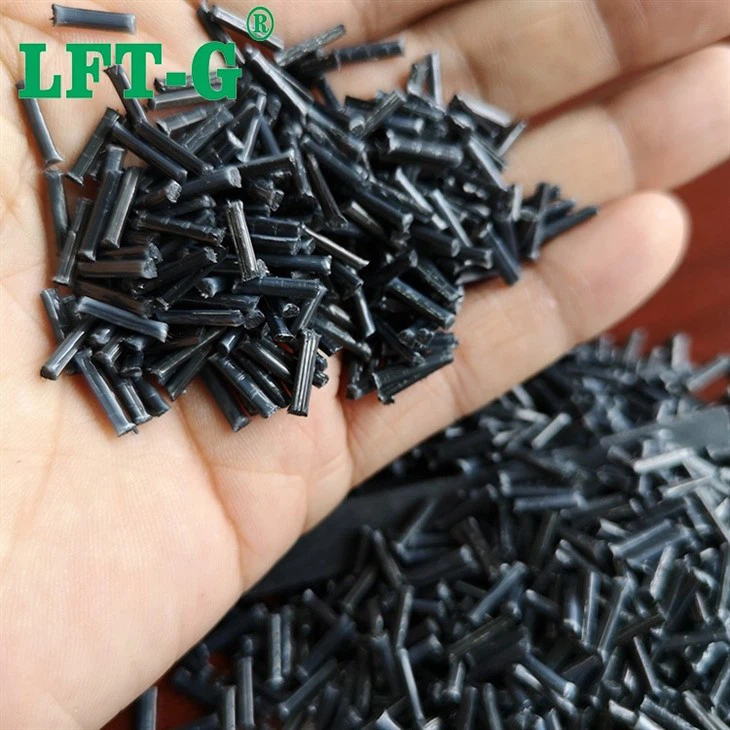
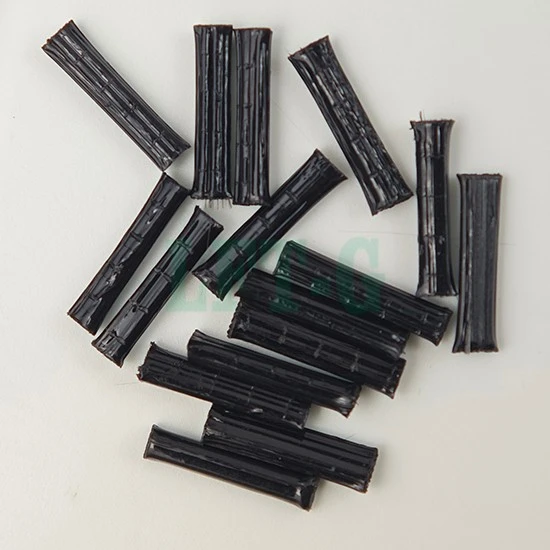
LFT-G Elite PA66 LCF50 Structural Carbon Fiber Nylon 66 CompoundLFT-G® PA66 LCF50 (Model: LFT-G® PA66 LCF50-BC05A) sets a definitive performance benchmark for structural thermoplastic stiffness and thermal endurance. Manufactured using a proprietary automated continuous pultrusion method, this compound achieves a uniform wet-out of a high-temperature polyamide 66 matrix with 50% high-modulus continuous long carbon fiber strands. The resulting composite delivers an extraordinary tensile modulus exceeding 34,000 MPa, offering an ideal solution for challenging structural metal replacement applications under continuous load profiles.

Standard chopped PA66 CF50 alternatives frequently fail under dynamic multi-axial fatigue due to localized micro-cracking at short fiber boundary junctions. Conversely, our premium long carbon fiber composite matrix retains an interconnected internal 3D structural skeleton. This continuous framework evenly distributes complex load paths, ensuring exceptional fatigue resistance, lower density, and reliable dimensional accuracy in demanding industrial operating environments.


Core Product Advantages:

  • Extreme Structural Rigidity: 34,500 MPa tensile modulus confidently replaces machined stainless steel and cast iron.
  • Elite Thermal Threshold: 252 °C heat deflection temperature ensures structural safety during continuous high-heat exposures.
  • Isotropic Control Matrix: Continuous interlocking fiber distribution eliminates part warping during cooling cycles.
  • Inherent EMI Shielding: Conductive network architecture provides deep electromagnetic protection for electronics enclosures.
 

The Thermal & Kinematic Divide: PA6 LCF50 vs. LFT-G® PA66 LCF50

Sourcing engineers often face critical material choices between carbon fiber nylon 6 and nylon 66 bases. Review this validated engineering selection grid to align with your design parameters.

When to Specify PA6 LCF50

- Recommended for ambient or moderate operating temperatures.
- Delivers an excellent surface finish and cosmetic aesthetics straight from the mold.
- Well-suited for structural components subjected to short-cycle peak loads.
- Thermal Threshold: 218 °C Heat Deflection Limit (HDT)

When to Select LFT-G® PA66 LCF50

- Engineered specifically for long-term exposures in continuous high-temperature environments.
- Maximizes mechanical property retention and creep resistance under sustained load profiles.
- Provides superior chemical resistance to hot oils, fuel systems, and industrial solvents.
- Thermal Threshold: 252 °C Heat Deflection Limit (HDT Peak)

Typical Material Properties (LFT-G® PA66 LCF50-BC05A)

The properties detailed below represent typical parameters recorded inside the LFT-G® Polymer Characterization Facility under Dry-As-Molded (DAM) conditions. Testing complies with specific ISO and ASTM standards to ensure strict laboratory data validation.

Mechanical Testing Profile

Property Test Standard Value (DAM State)
Tensile Modulus ISO 527 34,500 MPa
Tensile Strength ISO 527 ~305 MPa
Flexural Modulus ISO 178 24,000 MPa
Flexural Strength ISO 178 405 MPa
Notched Izod Impact (23°C) ISO 180/A 32 kJ/m²

Thermal & Physical Analysis

Property Test Standard Value
Density ISO 1183 1.33 g/cm³
HDT (0.45 MPa) ISO 75 256 °C
HDT (1.80 MPa) ISO 75 252 °C
Mold Shrinkage ISO 294-4 0.03 - 0.10 %


Processing Parameters & Recommendations

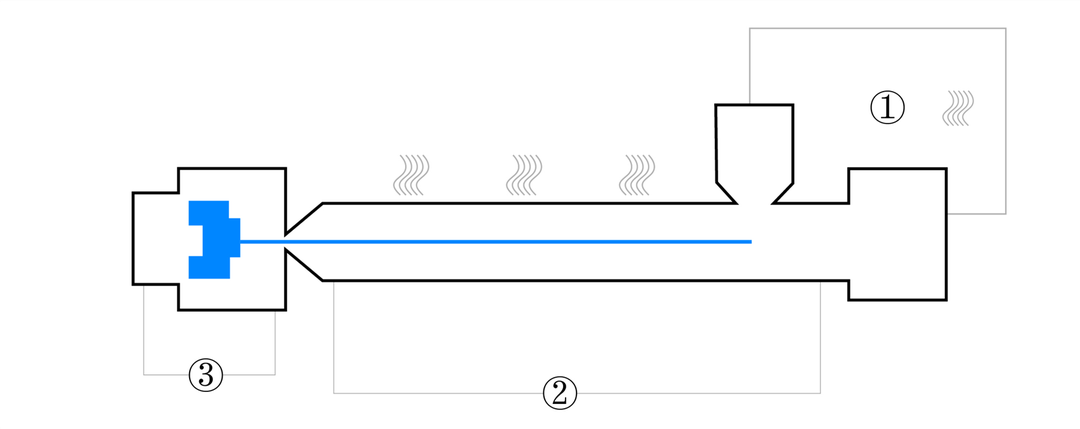
Standard molding guidelines for processing LFT-G® PA66 LCF50. To shield the highly dense 50% carbon fiber nylon core skeleton from unnecessary fiber fracture, implement a low-compression screw profile, keep back pressure beneath 50 psi, and optimize gating channels.

Parameter Recommendation
Drying Temperature 90 - 110 °C
Drying Time 4 - 6 hours (Desiccant air dryer required)
Rear / Feed Zone (Zone ①) 265 - 300 °C
Center / Melt Zone (Zone ②) 275 - 305 °C
Front / Nozzle Temp (Zone ③) 270 - 300 °C
Mold Temperature 80 - 115 °C

Injection molding Process info for LFT-G High Performance Polyamides


Quality Assurance & Laboratory Compliance Framework

Our manufacturing plant operates under verified international control frameworks. Every manufacturing lot undergoes technical evaluation inside the calibrated LFT-G® Testing Laboratory prior to shipment clearance.

Our Certificate


Xiamen LFT test lab with technical person worker.jpg

IATF16949 Certificate-LFT-G

IATF 16949:2016

ISO 9001 CERTIFICATE-1 at Xiamen LFT-G

ISO 9001:2015

ISO14001_Environment Manggement System Certificate of LFT-G

Environmental Management System Certificate


ISO 9001:2015

Quality Management Systems Certified

SGS Checked

Material Verification & Audited Provenance

RoHS & REACH

100% Compliant Non-Hazardous Lots

Multi-Industry Application Cases

Aerospace Jet Engine Fan Blades PA66 LCF50 BC05A

Aerospace Propulsion & Compressor Guide Vanes

Aerospace structural enclosures require exceptional material modulus combined with long-term high-temperature endurance. LFT-G® PA66 LCF50 successfully substitutes for machined titanium assemblies, decreasing total weight by over 60% while matching complex aerodynamic load paths reliably.

High Temperature Chemical Pump Volute Housing PA66 CF50

High-Pressure Industrial Fluid Pump Volutes

Optimized for high-pressure chemical fluid mechanisms operating at elevated thermal ranges. The dense 50% long carbon fiber orientation eliminates structural creep deformation and hot oil corrosion, outperforming standard nylon variants.

Automotive Turbocharged Engine Core Brackets PA66 LCF50

Under-the-Hood Turbo Structural Core Brackets

Next-generation combustion and hybrid powertrain layouts require non-corrosive structural materials adjacent to engine thermal spikes. LFT-G® PA66 LCF50 resists continuous structural fatigue at peak operating ranges, replacing zinc die-cast parts effectively.

Frequently Asked Questions (FAQ)

Q: Why use long carbon fiber and not carbon fiber?

A: The crucial performance difference depends on fiber core length. Standard short-fiber PA66 CF50 uses chopped fiber fragments that separate under high mechanical fatigue. LFT-G® PA66 LCF50 preserves an overlapping continuous 3D long carbon fiber matrix, improving dynamic fatigue defense by 280% while retaining an extraordinary 34,500 MPa tensile modulus.

Q: Can i have a sample order for test before large order

A: Yes, no problem. LFT-G welcome sample order for test.Please connect us sale-represetive for get a bag 25KG sample.

Q: What would be the delivery time?

A: Sample order takes 2~5 working days while bulk order 1~2 weeks.

Xiamen LFT Team Together with Chinaplas Show.jpg

Overcome Extreme High-Temperature Structural Ceilings

Eradicate the weight penalties and thermal failure vulnerabilities of traditional cast metal designs. Contact the global LFT-G® engineering branch today for certified technical analysis and quotation metrics.

Request LFT-G® PA66 LCF50 Quote


Email: Candyhu@lfrtplastic.com

WhatsApp: +86 139 5009 5707


Hot Tags: lft-g® pa66 cf50 ultra-high modulus long carbon fiber nylon 66 compound, China, manufacturers, suppliers, factory, buy, customized

Send Inquiry
Contact us if have any question

You can either contact us via phone, email or online form below. Our specialist will contact you back shortly.

Contact now!