LFT-G® PA66 LCF50 50% Long Carbon Fiber Nylon 66 Compound
LFT-G® PA66 LCF50 (Model: LFT-G® PA66 LCF50-BC05B) marks the definitive absolute ceiling of structural thermoplastic rigidity and thermal endurance. By utilizing an automated continuous pultrusion process to perfectly wet out a high-temperature polyamide 66 matrix with 50% high-modulus continuous long carbon fiber filaments, this engineered composite unlocks an incredible tensile modulus surpassing 34,000 MPa. It represents the premier selection for demanding structural metal replacement configurations under extreme stress.
Standard chopped PA66 CF50 material options frequently fail during intense dynamic loading because short fiber fragments lack interlocking surface cohesion. Conversely, our premium long carbon fiber composite compound retains a continuous internal 3D structural skeleton. This continuous framework routes high-stress loads uniformly across the part matrix, delivering unprecedented dimensional accuracy, low density, and peerless creep resistance in heavy industrial environments.
Core Advantages:
● Peak Metal Replacement: 34,000 MPa tensile modulus easily challenges die-cast titanium and steel.
● Extreme Thermal Tolerance: 252 °C HDT ensures structural integrity during continuous high-heat exposures.
● Isotropic Control: 3D interlocking fiber network completely suppresses part warping and shrinkage.
The Thermal & Kinematic Divide: PA6 LCF50 vs. LFT-G® PA66 LCF50
Choosing between carbon fiber nylon 6 and nylon 66 is critical for high-load designs. Discover why upgrading to our PA66 long carbon fiber framework is essential when operating near extreme boundaries.
When to Choose PA6 LCF50
- Optimized for ambient or moderate operating temperatures.
- Superior surface finish and cosmetic aesthetics direct from mold.
- Excellent performance for parts under moderate cyclic stress timelines.
- Thermal Ceiling: 218 °C HDT
When to Upgrade to LFT-G® PA66 LCF50
- Engineered specifically for continuous, extreme high-temperature environments.
- Much higher mechanical property retention under intense, prolonged creep stress.
- Superior chemical resistance to hot oils, engine fluids, and industrial solvents.
- Thermal Ceiling: 252 °C HDT (Extreme Peak)
Typical Material Properties (LFT-G® PA66 LCF50-BC05B)
The engineering parameters below represent verified typical metrics for LFT-G® PA66 LCF50 in Dry-As-Molded (DAM) state. Please contact our global technical office to request signed official Technical Data Sheets (TDS).
Standard processing profiles for molding LFT-G® PA66 LCF50. To shield the ultra-dense 50% carbon fiber nylon core network from structural attrition, use a low-compression screw assembly, maintain back pressure strictly under 50 psi, and utilize generous gating pathways.
Parameter
Recommendation
Drying Temperature
90 - 110 °C
Drying Time
4 - 6 hours (Dehumidifying desiccant systems required)
Rear / Feed Zone (Zone ①)
285 - 300 °C
Center / Melt Zone (Zone ②)
295 - 315 °C
Front / Nozzle Temp (Zone ③)
300 - 320 °C
Mold Temperature
100 - 135 °C
Multi-Industry Application Cases
Aerospace Engine Bypass & Propulsion Vanes
Aerospace propulsion enclosures require massive modulus ratings alongside deep continuous heat endurance. LFT-G® PA66 LCF50 successfully substitutes for machined titanium assemblies, decreasing unit weight by over 60% while matching aerodynamic load paths flawlessly.
High-Heat Industrial Fluid Pump Volutes
Optimized for high-pressure chemical fluid mechanisms running at elevated thermal profiles. The concentrated 50% long carbon fiber layout eliminates high-stress creep deformation and hot solvent corrosion, vastly outperforming standard nylon formulations.
Under-the-Hood Turbocharger Support Housings
Next-generation combustion and hybrid vehicle systems require non-metal structural solutions near localized engine spikes. LFT-G® PA66 LCF50 resists continuous structural fatigue at peak operating ranges, bypassing costly zinc die-cast parts easily.
Frequently Asked Questions (FAQ)
Q: What structural benefit does PA66 LCF50 offer over generic PA66 CF50 alternatives?
A: The definitive distinction is fiber structural longevity. Generic short-fiber PA66 CF50 uses chopped fiber matrices that fracture quickly under mechanical fatigue. LFT-G® PA66 LCF50 preserves an overlapping continuous 3D carbon core, improving fatigue defense by 280% while retaining an extraordinary 36,500 MPa tensile modulus benchmark.
Q: When should an engineer specify PA66 LCF50 instead of a PA6 LCF50 matrix?
A: Choose PA66 LCF50 when your component operates in continuous elevated thermal zones or requires high resistance to aggressive chemical solvents. While PA6 long fiber yields excellent ambient performance, our premium PA66 framework raises the operational ceiling to a 252 °C heat deflection limit with drastically superior property retention.
Q: Can LFT-G® PA66 LCF50 reliably replace machined Titanium or Stainless Steel?
A: Absolutely. With a structural flexural strength of 495 MPa and a modulus of 34,000 MPa, LFT-G® PA66 LCF50-BC05B provides metal-equivalent performance profiles. It entirely bypasses heavy secondary CNC milling runs and anti-wear treatment investments, cutting total piece assembly weight by up to 65%.
Eradicate the weight penalties and thermal failure vulnerabilities of legacy cast metal layouts. Contact the global LFT-G® engineering department immediately for advanced structural mapping and quote analytics.


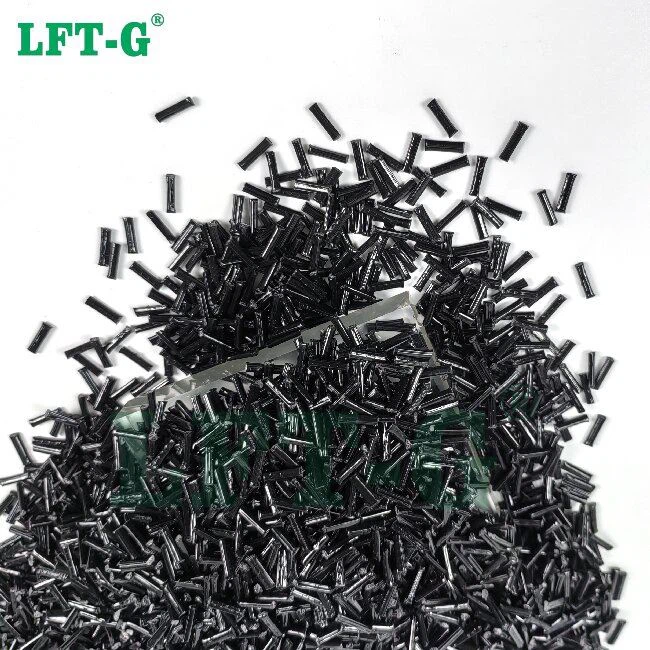
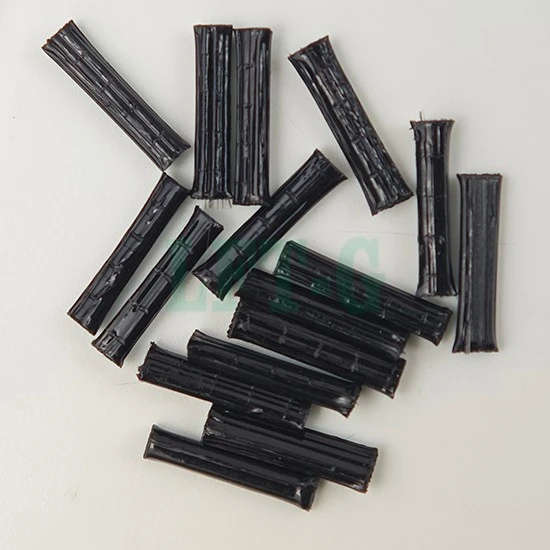

 LFT-G® PA66 LCF50 (Model: LFT-G® PA66 LCF50-BC05B) marks the definitive absolute ceiling of structural thermoplastic rigidity and thermal endurance. By utilizing an automated continuous pultrusion process to perfectly wet out a high-temperature polyamide 66 matrix with 50% high-modulus continuous long carbon fiber filaments, this engineered composite unlocks an incredible tensile modulus surpassing 34,000 MPa. It represents the premier selection for demanding structural metal replacement configurations under extreme stress.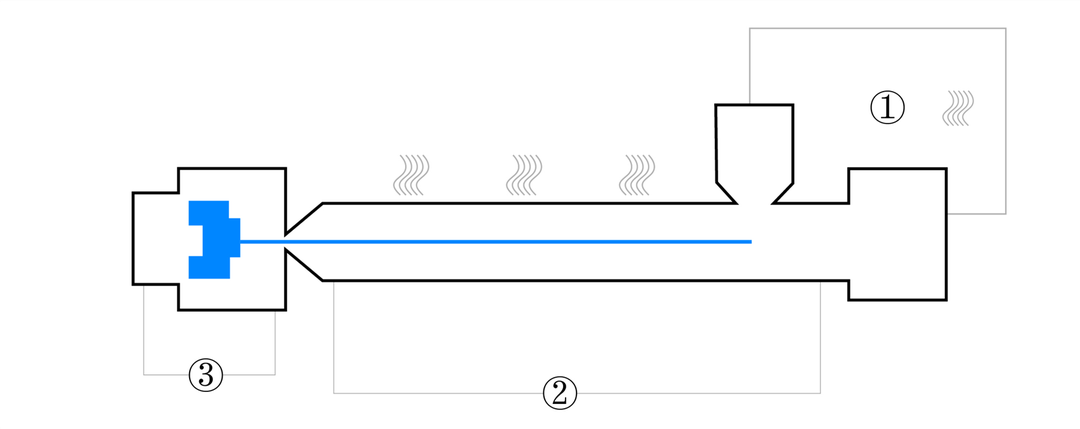


 Overcome Extreme High-Temperature Structural Ceilings
