


LFT-G® Long Carbon Fiber Reinforced PA66 for Automotive Engine Intake Manifolds
Engineered for the Extreme: LCF40 Nylon 66 for High-Performance Intake Systems
The engine intake manifold operates under challenging conditions, subjected to high temperatures, pulsating pressures, vibrations, and exposure to fuels, oils, and combustion byproducts. It's a critical component influencing engine performance and efficiency. Modern demands for lightweighting and optimized airflow require advanced material solutions beyond traditional metals. LFT-G® LCF40 Nylon 66 pellets, representing a 40% Long Carbon Fiber reinforced Polyamide 66 (PA66), offer an ultra-high-performance composite specifically engineered for these demanding applications. By incorporating continuous long carbon fibers into a robust PA66 matrix, LFT-G® LCF40 Nylon 66 delivers exceptional strength, stiffness, and crucial resistance to high temperatures and aggressive chemicals found in the engine environment. This advanced composite is formulated to maintain its structural integrity and dimensional stability under prolonged thermal and mechanical stress, ensuring reliable sealing and optimal airflow delivery to the engine cylinders. Its superior creep and fatigue resistance are vital for enduring constant engine vibrations and pressure variations over the vehicle's lifetime. Compared to aluminum manifolds, LFT-G® LCF40 Nylon 66 enables significant weight reduction, contributing to improved vehicle dynamics and fuel economy. The material's advanced properties also facilitate complex designs with smooth internal passages for optimized airflow and potential integration of components like sensors and mounting points, simplifying manufacturing and assembly processes.
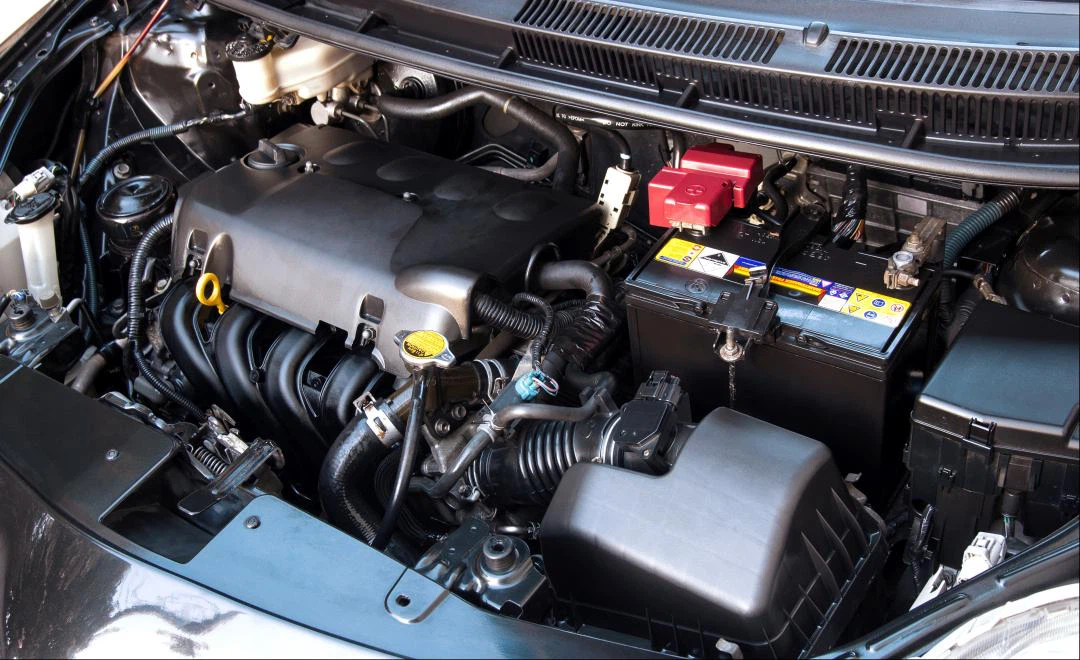
Key Advantages of LFT-G® LCF40 Nylon 66 for Engine Intake Manifolds
- Very High Strength and Stiffness: Provides robust structural support to withstand intake manifold pressures and engine vibrations without deformation.
- Excellent High-Temperature Resistance: Engineered to perform reliably under the elevated and fluctuating temperatures present in the engine compartment.
- Superior Creep Resistance: Maintains dimensional stability under sustained loads at high temperatures, crucial for preventing leaks and ensuring long-term sealing integrity.
- Outstanding Fatigue Resistance: Endures millions of cycles of engine vibration and pressure pulses, ensuring long-lasting durability.
- Chemical Resistance: Resists degradation from fuels, oils, blow-by gases, and other automotive fluids encountered within the intake system.
- Significant Lightweighting: Offers substantial mass reduction compared to aluminum intake manifolds, improving vehicle efficiency and performance.
- Design Flexibility and Airflow Optimization: Excellent moldability allows for complex internal geometries that optimize airflow paths for improved engine power and efficiency.
By choosing LFT-G® LCF40 Nylon 66 for your automotive engine intake manifolds, you are selecting an advanced composite material engineered for peak performance in the most demanding engine applications. Our specialized LFT PA66 grades, reinforced with long carbon fibers, empower automotive engineers to design lighter, stronger, and more durable intake systems that contribute to enhanced engine efficiency and overall vehicle performance. Explore the possibilities and partner with us to innovate the future of automotive powertrain components.
For more technical data on LCF40 Nylon 66 for intake manifolds, please refer to the specification below, or
LFT-G® LCF40 Nylon 66 Technical Data Sheet for Automotive Engine Intake Manifolds
This document provides technical data for a 40% Long Carbon Fiber reinforced Polyamide 66 (LFT-G® LCF40 Nylon 66) material, specifically engineered for the extreme performance requirements of automotive engine intake manifolds. This advanced composite offers a superior combination of very high strength, thermal performance, and chemical resistance crucial for components operating under high heat, pressure, and exposure to automotive fluids. The data presented here is based on typical values obtained from international material suppliers and standards for LCF40 PA66, tailored to this demanding application. Please refer to the specific datasheet of your program for precise LFT material values.
Mechanical Properties
| Property | Value | Unit | Test Standard |
|---|---|---|---|
| Tensile Strength | 260-330 | MPa | ISO 527-1 |
| Tensile Modulus | 32000-33800 | MPa | ISO 527-1 |
| Elongation at Break | 1.5-2.5 | % | ISO 527-1 |
| Flexural Strength | 350-400 | MPa | ISO 178 |
| Flexural Modulus | 20000-22000 | MPa | ISO 178 |
| Notched Izod Impact Strength (+23°C) | 27-46 | kJ/m² | ISO 180/1A |
| Notched Izod Impact Strength (-30°C) | 25-45 | kJ/m² | ISO 180/1A |
| Fatigue Strength (at 106 cycles) | 80-120 | MPa | Based on Internal Testing |
Thermal Properties
| Property | Value | Unit | Test Standard |
|---|---|---|---|
| Melting Temperature | 267-295 | °C | ISO 11357 |
|
Heat Deflection Temperature (HDT/A, 1.8 MPa) |
>250 | °C | ISO 75-1 |
| Coefficient of Linear Thermal Expansion | 1-3 | x 10-5/K | ISO 11359 |
Other Properties
| Property | Value | Unit | Test Standard |
|---|---|---|---|
| Density | 1.31-1.35 | g/cm³ | ISO 1183 |
| Flammability (UL 94) | V-0 | - | UL 94 |
| Moisture Absorption (24 hours) | 0.5-0.8 | % | ISO 62 |
| Shrinkage Rate (Mold Shrinkage) | 0.1-0.5 | % | ASTM D-955 |
| Creep Resistance (at specific temp/load) | Excellent | - | ISO 899 |
| Electrical Conductivity | Conductive | - | Typical |
Chemical Resistance (Typical)
LFT-G® LCF40 Nylon 66 exhibits excellent resistance to substances relevant to automotive engine intake manifold environments:
- Fuels (Gasoline, Diesel, Ethanol blends) - Excellent
- Engine Oils and Greases - Excellent
- Coolants (Glycol-based) - Excellent
- Blow-by Gases and Combustion Products - Excellent
- Water and Humidity - Good (Note: PA66 absorbs moisture, affecting properties; consider moisture conditioning for critical applications)
Processing Information (Typical)
Recommended processing conditions for LFT-G® LCF40 Nylon 66 for injection molding of automotive engine intake manifolds:
- Melt Temperature: 280-310 °C
- Mold Temperature: 80-110 °C
- Injection Speed: Medium (optimized for fiber length retention and filling complex, thin-walled sections)
- Holding Pressure: High, optimized to minimize warpage and ensure structural integrity, dimensional accuracy, and pressure containment
- Drying: Essential before processing (typically 100-120 °C for 4-8 hours) to prevent hydrolytic degradation and ensure optimal mechanical properties.
Notes and Supplementary Information:
Data Source: This data is compiled based on typical values for LCF40 PA66 from international material manufacturers and standards. Creep, Fatigue, and high-temperature performance are key characteristics of LCF PA66. LFT-G® LCF40 Nylon 66 is specifically engineered to excel in the challenging environment of automotive engine intake manifolds. Its combination of very high strength, stiffness, excellent high-temperature, creep, and chemical resistance, along with significant lightweighting potential, makes it a superior alternative to metal for high-performance intake systems. The electrical conductivity of carbon fiber reinforcement should be considered in design. While PA66 is hygroscopic, LCF reinforcement helps maintain dimensional stability; however, moisture conditioning effects on properties should be evaluated for critical applications. Proper drying before processing is paramount. Please consult specific automotive industry standards and regulations relevant to engine components. For precise and specific data for your program, including long-term performance under specific service conditions, please consult the datasheet provided by your material supplier.
Download Complete LFT PA66 LCF40 Data Sheet PDF
Hot Tags: lcf40 nylon66 pellets for automotive engine intake manifold, China, manufacturers, suppliers, factory, buy, customized


