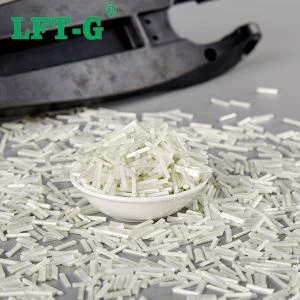
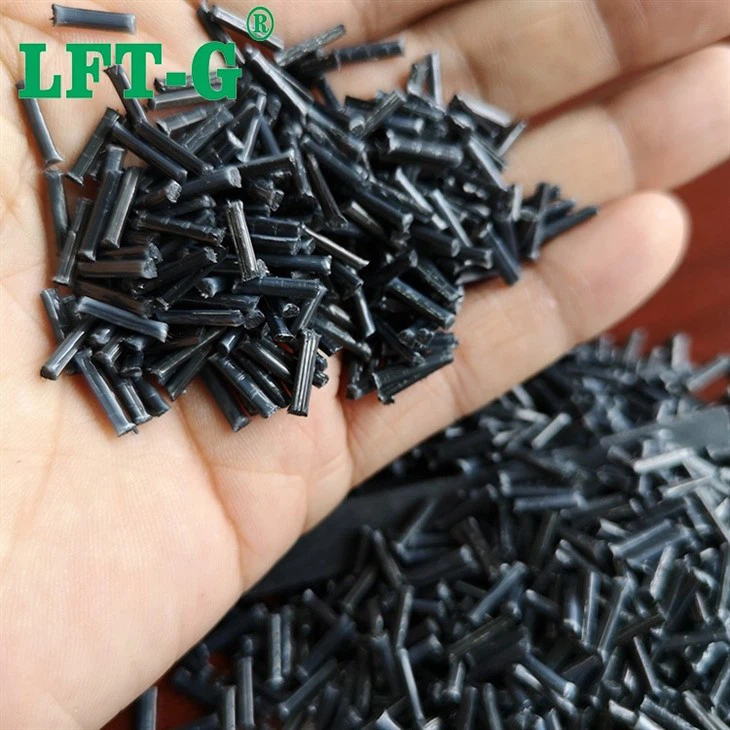
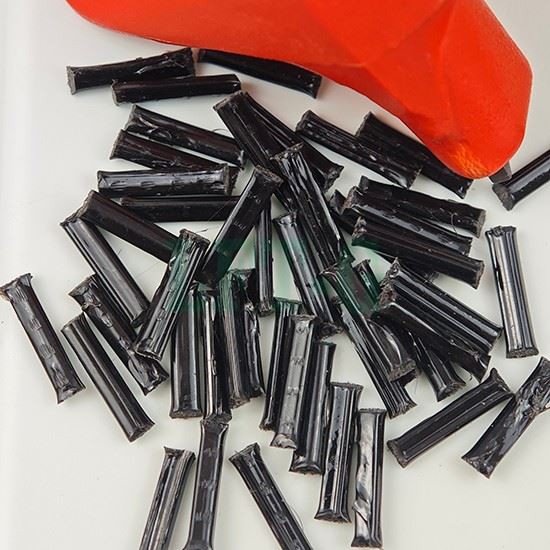
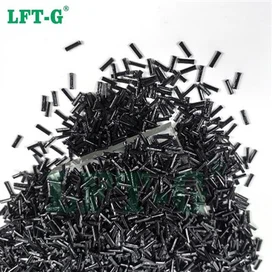
LFT-G® TPU GF40 (Model: TPU GF40-NG04M) bridges the impossible gap between rigid plastics and flexible rubber. By reinforcing a premium Polyether TPU matrix with 40% continuous Long Glass Fiber (LGF), we deliver a structural composite that flexes under extreme shock but never shatters.
√Structural Elasticity
√100% Hydrolysis Resistant
√Extreme Abrasion Tolerance
√-40°C Cold Flexibility
Standard Polyester-based TPU GF40 degrades rapidly in wet conditions. Our exclusive TPU Polyether-based with 40%Long Glass fiber technology is chemically immune to hydrolysis, microbial attack, and sub-zero temperatures, making it the definitive choice for heavy-duty industrial and outdoor applications.
● Absolute Hydrolysis Immunity: Survives boiling water and humid environments without degrading.
● Extreme Abrasion Resistance: Radically outperforms standard nylon in high-friction wear parts.
● Sub-Zero Durability: Maintains outstanding dynamic toughness down to -40°C.
The Survival Matrix: Polyether vs. Polyester
Engineers often specify generic "TPU" and experience catastrophic field failures. See why upgrading to LFT-G® Polyether LGF40 eliminates environmental risks.
Standard Polyester SGF40 (The Competitor)
❌ Wet Environments: Hydrolyzes; molecular chains rot and crumble in water.
The following values are typical data for LFT-G® TPU-LGF40 (Polyether Grade) and are for reference only. Data is for Dry-As-Molded (DAM) state. Please contact us for the official Technical Data Sheet (TDS).
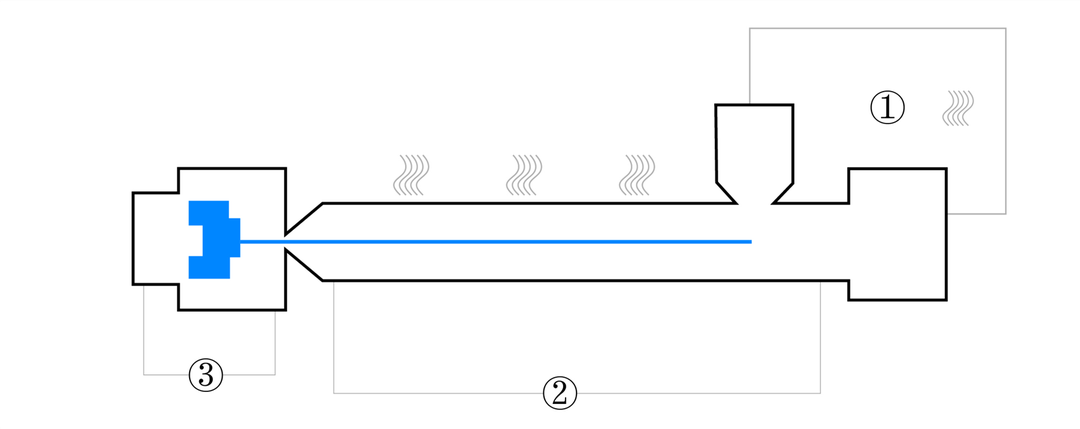
The following values are recommendations. We strongly recommend desiccant / dry air dryers to ensure TPU moisture content is < 0.02% before molding. To minimize fiber breakage, use a low-compression screw and generous gating.
Parameter
Recommendation
Drying Temperature
88 - 100 °C
Drying Time
4 - 5hours
Feed Section (Zone ①)
210 - 220 °C
Melt Temperature (Zone ②)
230 - 270 °C
Mold Temperature (Nozzle ③)
60 - 90°C
Injection Speed
Slow to Moderate
Multi-Industry Hyper-Performance
Winter Sports & Ski Boots
Ski boot shells require massive stiffness for power transfer but must not shatter upon impact. Polyether TPU LGF40 retains its extraordinary elastomeric toughness and impact resistance even at -40°C, outperforming stiff but brittle nylons in freezing mountain conditions.
Heavy-Duty Industrial Wheels
Warehouse rollers and gears face constant abrasion and heavy static loads. The 40% long glass fiber locks the TPU matrix to prevent creep (flat-spotting under weight), while the TPU surface provides incredible wear resistance that lasts 3X longer than traditional rubber or standard plastics.
Marine & Offshore Equipment
Sub-sea connectors and boat impellers are constantly submerged. Because our Polyether TPU LGF40 is 100% immune to hydrolysis, it will not rot, swell, or lose mechanical strength in seawater, solving the fatal flaw of standard polyester-based elastomers.
Frequently Asked Questions (FAQ)
Q: What is the exact difference between Polyether and Polyester TPU LGF40?
A: The critical difference is environmental survival. Polyester TPU is slightly stiffer but breaks down chemically when exposed to water (hydrolysis). Our Polyether TPU (NG04M) is highly resistant to water, microbes, and freezing temperatures, making it the only choice for outdoor or submerged applications.
Q: Does TPU LGF40 require special drying before injection molding?
A: Yes, absolutely. TPU is highly hygroscopic in its raw pellet form. If molded with moisture, the water will turn to steam and degrade the polymer during injection. You must use a desiccant dryer at 100°C for 3-4 hours to ensure moisture content is below 0.02% prior to processing.
Q: Why use Long Glass Fiber in an Elastomer (TPU) instead of Nylon?
A: Nylon (PA6) is rigid but can shatter under heavy impact and absorbs moisture. TPU LGF40 offers a unique "Rigid-Tough" paradox. The 40% long glass skeleton provides massive load-bearing stiffness (9,500 MPa), while the TPU matrix acts as a rubbery shock-absorber that simply refuses to crack or wear down.
Need Rigid Toughness that Survives Water?
Stop dealing with hydrolysis and brittle fractures. Contact the LFT-G® engineering team for material selection and polyether TPU validation.




 Need Rigid Toughness that Survives Water?