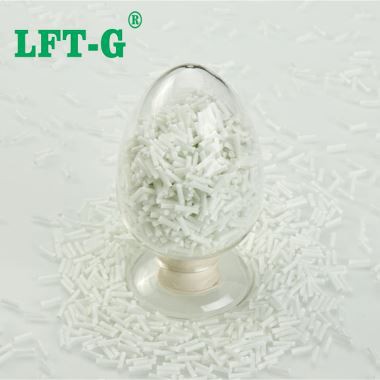

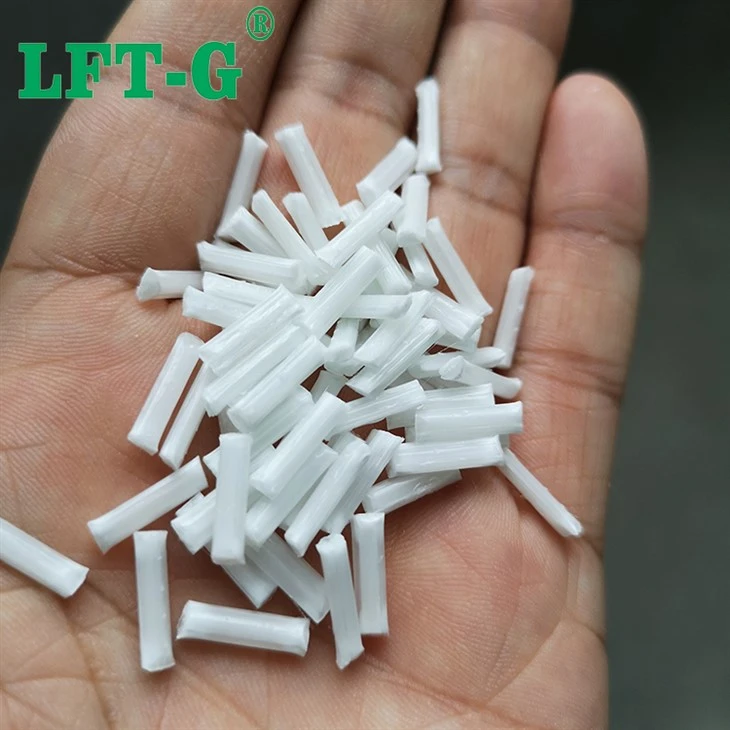


Density Comparison: Why PP LGF30 Dominates Lightweighting
Modern electric vehicles (EVs) and aerospace components can no longer afford the heavy burden of die-cast metals. At just 1.12 g/cm³, LFT-G® PP LGF30 offers a staggering weight reduction advantage while utilizing its 30% long-fiber internal skeleton to match the structural rigidity of traditional alloys. To demonstrate the sheer mass-saving potential for your next injection molding project, review the exact specific gravity comparison chart below against standard engineering materials.
| Engineering Material | Density (g/cm³) | Weight Saving vs Steel | Typical Application Use |
|---|---|---|---|
| Carbon Steel | 7.85 | Base Reference | Heavy Chassis Frames |
| Die-Cast Aluminum | 2.70 | ~ 65.6% Lighter | Engine Blocks |
| Standard PA66 GF30 | 1.35 | ~ 82.8% Lighter | Under-hood Parts |
| LFT-G® PP LGF30 | 1.12 | ~ 85.7% Lighter | Auto Structural Modules |
Comprehensive Material Properties (LFT-G® PP-LGF30)
| Property | Standard | Value |
|---|---|---|
| Specific Density | ISO 1183 | 1.12 g/cm³ |
| Tensile Strength | ISO 527 | 115 MPa |
| Tensile Modulus | ISO 527 | 6,800 MPa |
| Flexural Strength | ISO 178 | 154 MPa |
| Property | Standard | Value |
|---|---|---|
| Flexural Modulus | ISO 178 | 5,000 MPa |
| Charpy Notched Impact | ISO 179 | 32 kJ/m² |
| HDT (1.80 MPa) | ISO 75 | 159 °C |
| Mold Shrinkage | ISO 294-4 | 0.15 - 0.30 % |
Injection Guidelines for LGF30 Resins
Pre-drying
80–90°C / 2-4h
Ensure Surface Moisture Removal
Injection
Melt Temp: 210–250°C
Low Shear Processing
Tooling Settings
Mold Temp: 38–69°C
>3mm Sprue Gate for Fiber Retention
Transforming Industries via Mass Reduction

EV Battery Trays & Enclosures
Every ounce saved on an electric vehicle directly increases driving range. By leveraging the 1.12 g/cm³ specific gravity of our 30% long fiber composite, automotive OEMs can replace extremely heavy steel battery enclosures while perfectly retaining the 7,000 MPa stiffness required to pass stringent crash-test standards.

UAV & Commercial Drone Frames
Commercial aerospace applications require absolute material optimization to maximize battery life. This ultra-lightweight thermoplastic radically lowers the payload threshold of drone arms and landing gears, offering superior vibration damping capabilities that traditional aluminum structures completely lack.

Automotive Door Modules
Combining structural integrity with mass efficiency, inner door panels molded from PP LGF30 completely negate the need for secondary steel reinforcements. The integrated long-fiber matrix prevents thermal warpage under intense cabin heat, ensuring precise dimensional tolerances for interior assembly.

Request Technical Trial Sample & Quotation
Slash your product weight by 60% without sacrificing structural integrity. Contact the LFT-G® engineers today to request a 25KG technical trial sample and receive direct factory pricing.
Email Inquiry: Candyhu@lfrtplastic.com
WhatsApp Directly: +86 13950095707
Hot Tags: LFT-G® PP-LGF30: Precision Density & Lightweighting Data, China, manufacturers, suppliers, factory, buy, customized