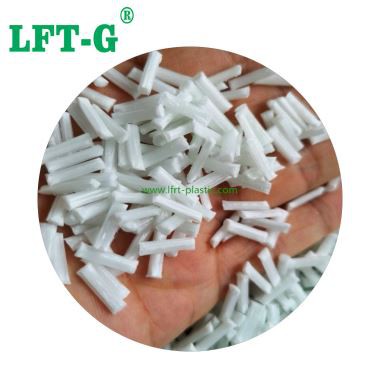


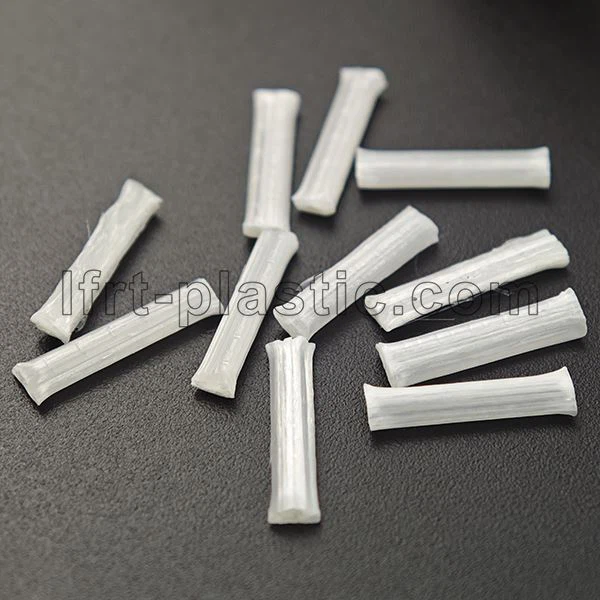

What is PP GF50?
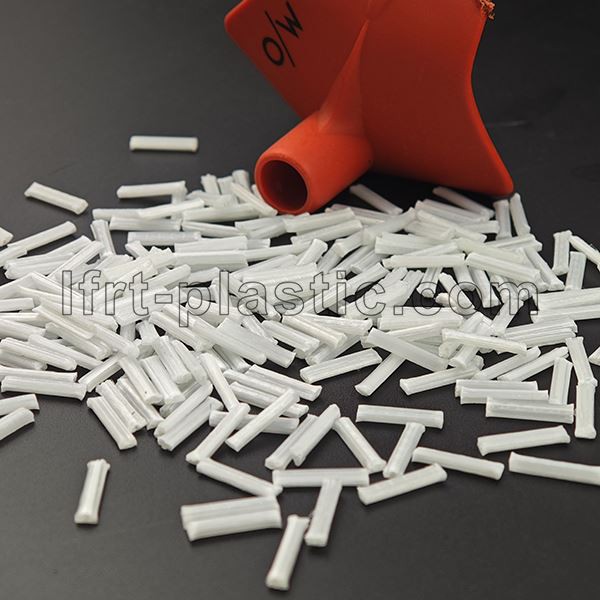
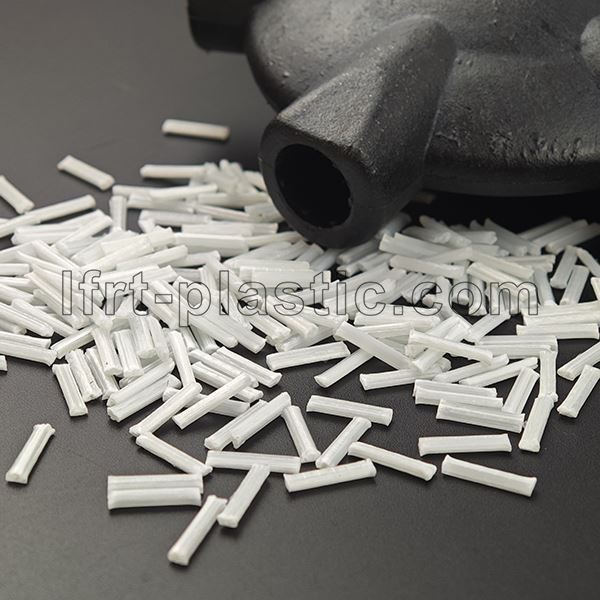
LFT-G® NG05 PP GF50 is a PP Composite that polypropylene (PP) resin reinforced with 50% long glass fiber(GF50%), also called PP LGF50, is a Long Fiber Thermoplastic (LFT) manufactured via a proprietary pultrusion process. This method ensures each pellet contains continuous E-glass fibers, 12mm or longer, that are fully wetted and bonded with a high-flow polypropylene (PP) matrix. The "LGF50" designation signifies a 50% by weight loading of long glass fiber, the highest in our standard PP range, designed for maximum mechanical properties.
Unlock a new dimension of performance with LFT-G®'s flagship PP LGF50 composite. While commonly searched for by the broader term "PP GF50," this is a technically advanced Long Glass Fiber (LGF) reinforced Polypropylene, specifically engineered for maximum structural performance. The LFT-G® PP-NG05 grade, with its 50% long glass fiber content, represents the pinnacle of strength and stiffness in our PP portfolio. It provides a robust, lightweight, and highly cost-effective alternative to metals like steel and aluminum, empowering engineers to create more durable and efficient products.
 When injection molded, these long fibers orient and entangle to form an internal glass fiber "skeleton" that carries the majority of the load. This three-dimensional network is the critical differentiator from conventional short glass fiber (SGF) materials. Where short fibers act as simple fillers, long fibers provide true structural reinforcement, resulting in dramatic improvements in impact resistance, stiffness over time (creep resistance), and strength, especially at elevated temperatures. The polypropylene matrix offers excellent chemical resistance, low moisture absorption, and processability, making it a versatile and reliable choice for a vast array of demanding environments.
Core Benefits of PP LGF50:
- Maximum Strength & Stiffness: The 50% long glass fiber loading provides the highest tensile and flexural properties in our PP family, making it suitable for replacing stamped steel and die-cast metal parts.
- Exceptional Impact Resistance: The long fiber network is incredibly effective at absorbing and dissipating impact energy, preventing catastrophic failures and providing a toughness unachievable with short fiber composites.
- Superior Creep Resistance: Under constant load, especially at high temperatures, the material resists deformation, ensuring long-term dimensional stability and reliability for structural components.
- Significant Weight Reduction: Offers strength comparable to metals at a density that is approximately 80% lower than steel and 50% lower than aluminum, leading to significant weight savings.
- Cost-Effective Metal Replacement: Combines the high performance needed to replace metal with the processing efficiency of injection molding, resulting in lower total part costs through part consolidation and faster cycle times.
Technical Specifications & Performance Data
Engineering decisions demand reliable data. The specifications below are typical values for our LFT-G® PP LGF50 (NG05) grade and demonstrate its robust capabilities. All data is generated from injection-molded test specimens according to ISO standards.
Material Properties (Model: LFT-G®PP LGF50 NG05)
| Property | Value | Test Method | Unit |
|---|---|---|---|
| Density | 1.32 | ISO 1183 | g/cm³ |
| Tensile Strength | 153 | ISO 527 | MPa |
| Flexural Modulus | 11,500 | ISO 178 | MPa |
| Notched Izod Impact Strength | 48 | ISO 180 | kJ/m² |
| Heat Deflection Temperature (1.8 MPa) | 159 | ISO 75 | °C |
Download Complete NG05-PP GF50 Data Sheet PDF
Performance Comparison: LFT-PP vs. Alternatives
| Material | Relative Density | Relative Stiffness | Relative Impact Strength |
|---|---|---|---|
| LFT-G® PP LGF50 | 1.0x | 1.0x | ~5.0x |
| PP SGF50 (Short Fiber) | ~1.0x | ~0.8x | 1.0x |
| Die-Cast Aluminum (A380) | ~2.1x | ~6.2x | N/A (ductile) |
Note: The table clearly shows the dramatic improvement in impact strength LFT offers over short fiber composites, a key benefit for durable goods.
Proven Applications & Case Studies
LFT-G® PP LGF50 is the workhorse material for engineers looking to push the boundaries of plastic part performance. Its unique combination of strength, toughness, and value makes it a go-to solution for metal replacement in a wide variety of industries.

for LFT-G® PP GF50, consolidating parts and reducing weight.
Case Study1: Automotive Front-End Carrier Module
The Challenge: A major Tier 1 automotive supplier was tasked with reducing the weight and cost of a front-end carrier. The incumbent design was a complex assembly of over 15 stamped steel components that required multiple welding and fastening steps, making it heavy and labor-intensive to produce.
The Solution: Our application development engineers worked with the supplier to redesign the entire module as a single, complex injection-molded part using LFT-G® PP LGF50. The material's high flow allowed for the intricate geometry, while its superior strength and stiffness met all structural requirements for mounting the radiator, fans, and headlights. Its impact performance was also critical for low-speed crash safety.
The Result: The single-piece LFT composite solution achieved a 30% reduction in overall part weight and a 20% reduction in total production cost. The elimination of assembly steps also drastically simplified the supply chain and improved production line throughput for the automotive OEM.
Case Study2: Appliance Washing Machine Lifter Drum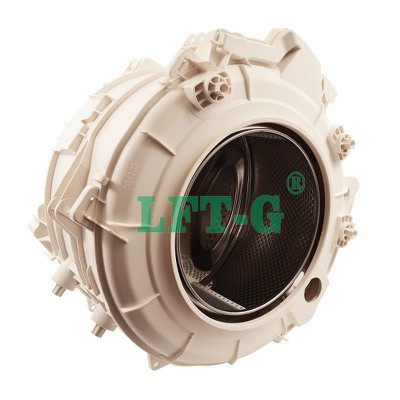
The Challenge: A leading home appliance manufacturer wanted to improve the durability and reduce the operating noise of their high-efficiency washing machines. The traditional steel lifter drums were prone to corrosion over time and created significant noise and vibration during the high-speed spin cycle.
The Solution: The steel drum was replaced with a one-piece molded drum made from LFT-G® PP LGF50. The polypropylene matrix provided complete resistance to corrosion from water and detergents. The long glass fiber network provided the necessary strength to withstand the high centrifugal forces and offered superior vibration damping compared to steel.
The Result: The new composite drum extended the appliance's reliable service life by eliminating corrosion as a failure mode. Furthermore, it led to a 5-decibel reduction in perceived noise during the spin cycle, a key differentiator in the competitive appliance market, enhancing customer satisfaction.
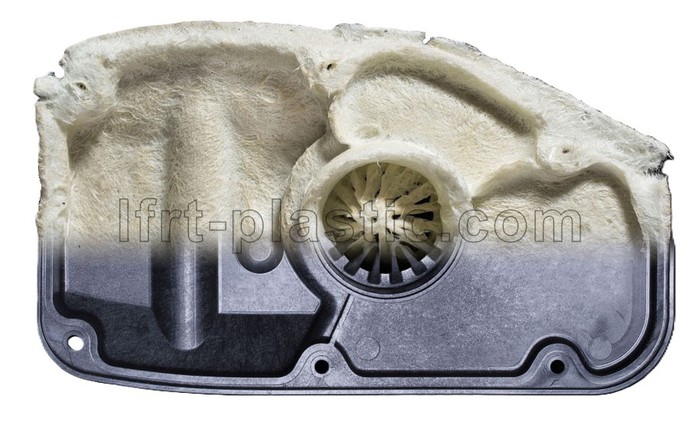
Image 3: The internal "skeletal" network of long fibers is what gives LFT composites their superior toughness and creep resistance.
Design & Processing Guidelines
Achieving the maximum benefit from LFT-G® PP LGF50 requires consideration during both the design and molding phases. Our technical service team is available for in-depth consultation, but here are some key guidelines to start with:

| ①Drying Time | 2-4 hours |
|
Drying Temperature |
80-100°C |
| ② Temperature Zone (Melt) | 210-250°C |
| ③Mold Temperature | 40-80°C |
- Material Handling: While Polypropylene has low moisture absorption, we recommend drying the material for 1-2 hours at 80-100°C (176-212°F) to ensure optimal surface finish and prevent any processing issues.
- Molding Machine: A general-purpose screw with a low compression ratio (2:1 to 2.5:1) is recommended to minimize fiber breakage during plasticization.
- Part Design Principles: Design with generous, rounded corners (minimum radius of 1mm) to avoid stress concentrations. Aim for uniform wall thickness throughout the part to ensure consistent filling and cooling. If thickness variations are necessary, they should be gradual.
- Gate and Runner Design: This is critical for LFT. Use large, full-round runners and tab-style gates positioned to direct the material flow in the direction where the highest strength is required. This helps align the fibers optimally. Avoid restrictive gates that cause high shear and fiber degradation.
Frequently Asked Questions (FAQ)
Q: Why choose a 50% LGF loading over a 30% or 40% grade?
A: A 50% long glass fiber loading is chosen when maximum stiffness and strength are the primary design drivers. It is the best option for replacing structural metal components where minimizing deflection under heavy load is critical. While grades with lower fiber content offer better flow and higher impact toughness, the 50% grade provides the ultimate performance in terms of modulus and tensile strength.
Q: Can LFT-PP LGF50 be used in outdoor applications?
A: Standard grades of PP LGF50 are not recommended for long-term exposure to direct sunlight, as UV radiation can degrade the polypropylene matrix. However, LFT-G® offers specially formulated UV-stabilized grades that provide excellent weather resistance and color stability for outdoor applications such as sporting goods, outdoor furniture, and agricultural components. Please specify this requirement during your inquiry.
Q: What is the main difference in performance between LFT-PP and LFT-PA6 (Nylon)?
A: The primary difference lies in thermal performance and moisture absorption. LFT-PA6 (Nylon) offers a higher continuous use temperature and better strength retention at elevated temperatures. However, LFT-PP has the advantage of virtually zero moisture absorption, giving it superior dimensional stability in wet or humid environments. PP also typically has better resistance to acids and bases. The choice depends on the specific thermal and chemical environment of the application.
Start Your Next Structural Innovation
Are you ready to reduce weight, consolidate parts, and improve the durability of your products? The LFT-G® PP LGF50 (NG05) composite is your solution. Our team is ready to assist with material selection, design analysis, and processing support to ensure your project's success.
Hot Tags: pp gf50 ng05 composite, China, manufacturers, suppliers, factory, buy, customized